
Reclaimed Barn Board vs New Distressed Wood: How to Spot the Real Thing
Machine weathering cannot match the dense grain, deep nail holes, and natural patina of century-old agricultural wood. For architects and custom home builders, selecting the wrong material can weaken a premium design. Call 845-373-8020 to discuss your project requirements with our team.
Authentic reclaimed barn boards salvaged from old Northeast barns feature deep natural weathering, tight growth rings, and real hardware scars that tell a story. New distressed wood uses fresh, fast-growth timber mechanically or chemically treated to mimic that aged look. Read our complete specification guide for detailed technical comparisons.
For any designer or custom builder, knowing the real differences between these two products is key to getting the right materials for your project. The next section breaks down what makes a board genuinely reclaimed versus factory-distressed at the most fundamental level.
Reclaimed Barn Board Vs New Distressed Wood: What Makes a Board Genuinely Reclaimed vs. Factory-Distressed?
If you are choosing materials for your next project, you may weigh the benefits of reclaimed barn board siding against new distressed wood. Real boards are salvaged from old barns, horse corrals, and agricultural structures throughout the Northeast and Midwest. These wood pieces have faced decades of sun, wind, and rain, which creates a deep, uneven patina. Modern factories use machines to mimic this look, but they only scrape the surface. Our reclaimed barn board specification guide covers sourcing and material grades in full detail.
The source and history of genuine wood
A study from a state university extension shows that buyers seek a connection to the origin of their building materials. True reclaimed wood provides this connection because it comes from real structures built long ago. Each board carries the marks of its past use as a barn or corral. These marks include nail holes, bolt holes, checking, wane, and sapwood, which show the wood is real.
You can find these details in circle-sawn and band-sawn textures left by old milling saws. The slow drying of old wood also creates tight growth rings and deep cracks. These fine marks cannot be made on demand in a new mill. We de-nail and power wash each board to keep its rich look for your space.
These true boards come in several distinct styles, such as Red Barn Board, Gray Barn Board, and Mixed Brown. Many of these pieces were cut from old trees over a hundred years ago. This old wood has a tighter grain than new growth wood. You get a stronger product with a look that is rich in local history.
The mechanical limits of machine distressing
By contrast, factory-distressed wood is made in a shop from young trees. Workers scrape the top of the boards with wire brushes and heavy chains. This leaves a flat look because the wood has no history. Since machines do the work, it leaves a uniform pattern repetition on each board.
Modern shop methods only treat the top of the wood. This means these boards lack the deep, uneven patina of real old wood. They also lack the strength of old trees. Machine work can weaken new wood, but real old boards have stood the test of time.
When you look close, you can tell the two apart in an instant. A factory can make a new board look old from far away. But once you touch the wood, you feel the true wear. The deep cracks, nail holes, and saw marks on real salvaged lumber tell a story that no machine can match.
Visual Cues That Separate Genuine Barn Board from Factory-Distressed Wood
The fastest way to distinguish reclaimed barn board vs new distressed wood is to examine the surface up close. Genuine reclaimed boards display nail holes with rust staining, irregular saw marks, checking, wane, and color that penetrates the full depth of the wood. Factory-distressed wood shows repeating machine patterns, surface-only coloring, and uniform edge treatments that reveal the truth on the first close inspection.
Physical indicators of historic use
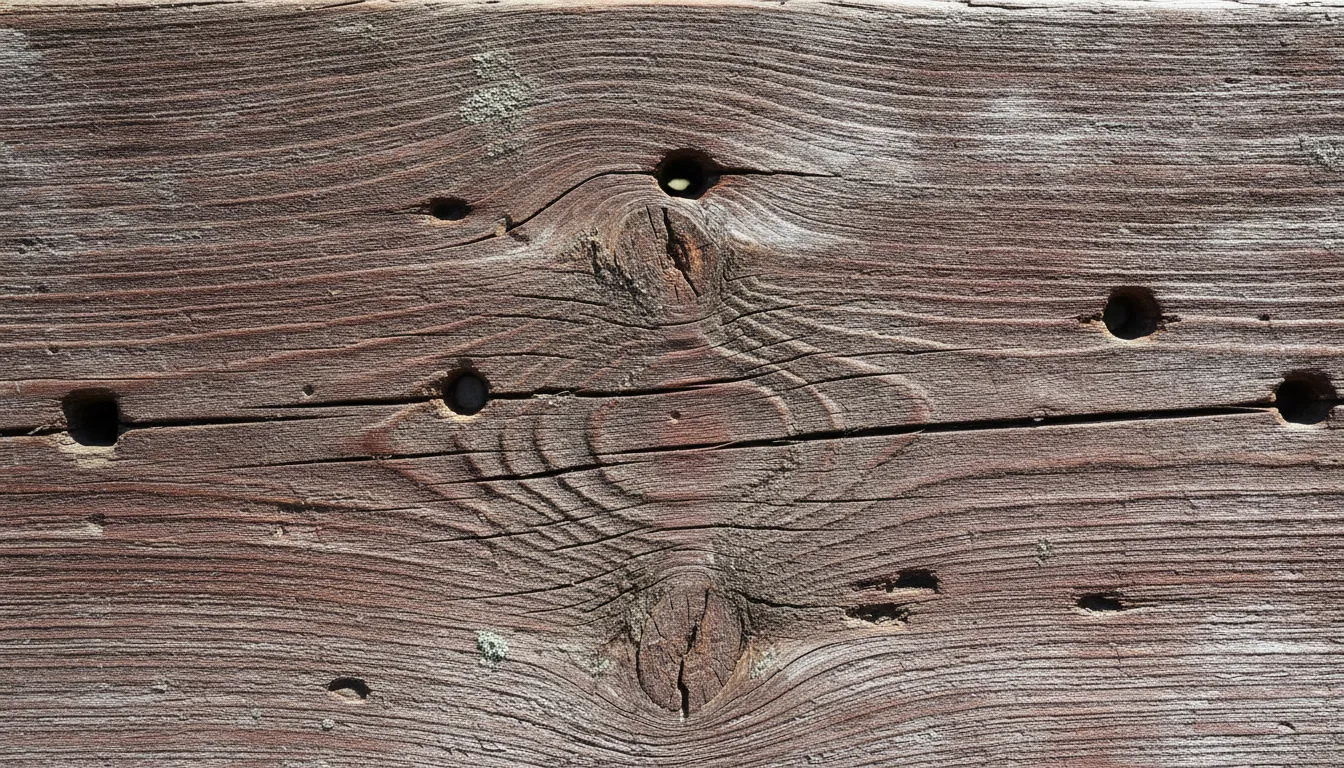
When you look at reclaimed barn board vs new distressed wood, you will see real signs of age. Real reclaimed barn board siding has dark nail holes and deep bolt holes. These holes came from old nails rusting inside the wood for decades. You will also see strapping marks where heavy metal bands held the timber in place. Weather stress causes checking, which is a set of fine cracks along the grain.
The past leaves marks that machines cannot copy. In some old wood, you can find small wormholes that add to the rustic look. Many builders find that small wormholes left by bugs over time add to the charm of the old wood. Real boards show uneven wear around these features. But new wood lacks these natural traces.
Natural growth patterns and edge details
Choosing genuine salvaged lumber shows how old-growth trees grew and how workers cut them. Real boards often feature wane, which is a natural edge that still has bits of bark. You will also see sapwood, which is the soft outer layer of the log. Both wane and sapwood are clear signs of use in old farm buildings. These details show that the wood came from real logs rather than a modern mill.
The surface face of real boards tells a story of old-time milling. Older wood has circle-sawn or band-sawn patterns. These patterns come from the large blades used in old mills. The saw marks are uneven and vary from board to board. Each board has a unique feel and face that modern plants cannot match.
Repetitive patterns in modern alternatives
New wood must be stressed by hand or machine to look old. Shops use wire brushes, metal chains, and sandblasting to mark the wood. But these tools make the same marks over and over. You can easily spot the loop of the machine on the face of the wood. The depth of the cuts is the same, and the colors are flat. Real wear is never so neat or even.
The contrast is easy to see. Factory wood is stained only on the surface, but old lumber has deep color that goes through the board. If you cut a new distressed board, you will see bright new wood inside. Real wood holds its dark, rich color even when you plane or saw it.
Why Authentic Patina Cannot Be Replicated by Surface Treatments
When you compare reclaimed barn board vs new distressed wood, the gap is clear. True age changes wood from the inside out, while mill work only affects the surface. Real barn board gets a deep, rich patina from hundreds of years of use in the wind. You cannot get this look with fake stains or machine tools.
Old-growth grain density
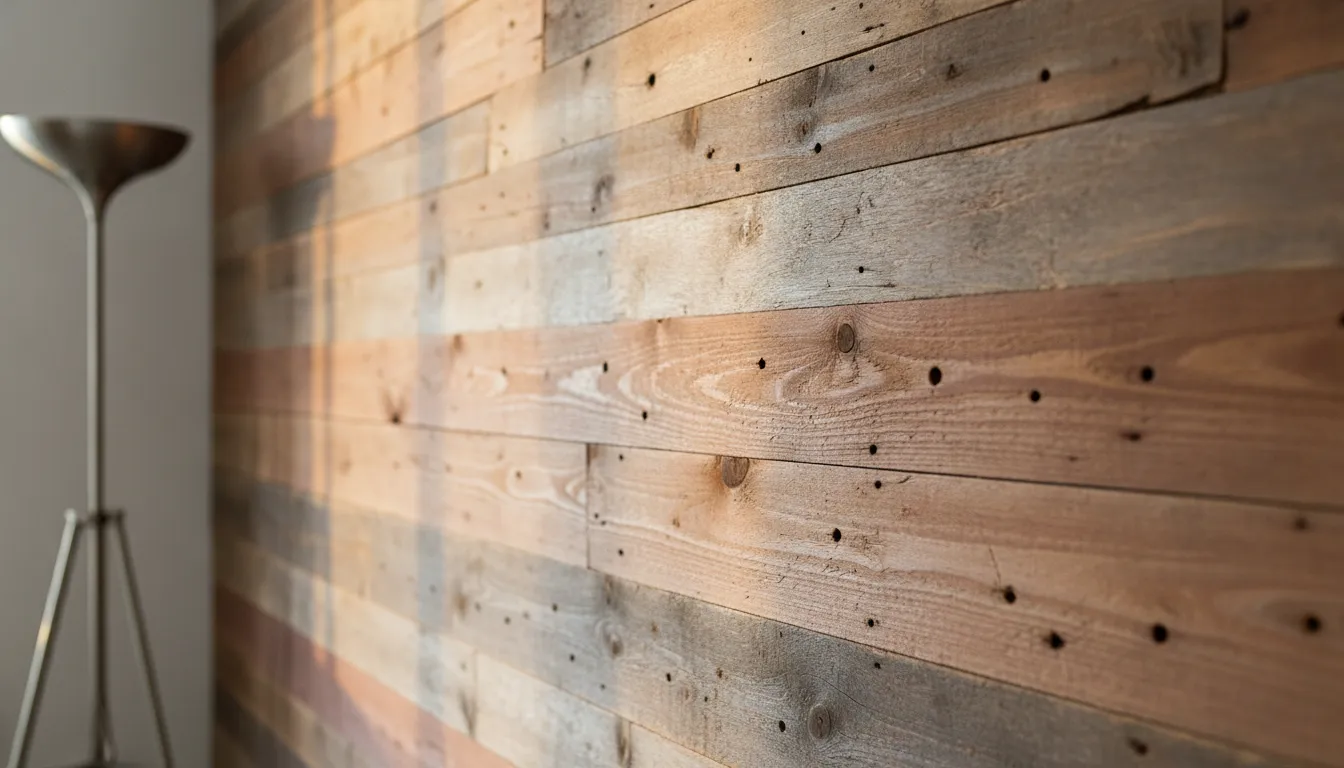
Old-growth trees grew slowly in dense, wild woods over a hundred years ago. This slow growth made tight wood grain and high density. Many of these boards come from species we can no longer cut or harvest today. New-growth wood grows fast on farms, which makes it soft and porous.
The impact of natural aging
True weathering comes from sun, rain, wind, and snow. This wear causes deep, rough marks and mixed color that mill work cannot match. Factory-distressed wood often lacks the strength and deep patina found in real reclaimed wood. Machines can dent new boards, but they cannot mimic the rich history of real wood.
Visual and physical differences
We can look at the traits to see how real wood stands out. Here is how real barn board compares to fake-aged products. These traits affect how the wood looks and how well it wears over time. A side-by-side test shows why real antique wood is worth the cost.
Here is how real barn board compares to fake-aged products:
- Patina development: Genuine Reclaimed Barn Board — Deep and uneven wear from sun and wind. Factory-Distressed New Wood — Flat surface stain with no real depth.
- Grain density: Genuine Reclaimed Barn Board — Tight grain from old-growth trees. Factory-Distressed New Wood — Wide grain from fast-grown farm trees.
- Texture variation: Genuine Reclaimed Barn Board — Unique circle-sawn and band-sawn marks. Factory-Distressed New Wood — Repeating patterns from machine tools.
- Structural integrity: Genuine Reclaimed Barn Board — Strong and stable wood that resists warping. Factory-Distressed New Wood — Soft wood that may cup or twist easily.
- Mark origin: Genuine Reclaimed Barn Board — Real nail holes and weathering from actual use. Factory-Distressed New Wood — Made by wire brushes, chains, and drills.
Every piece of our wood has a unique past. When you learn the story behind reclaimed wood, you see why these traits matter. True history gives each board its strength and beauty. It is a link to the past that makes any space feel warm and real.
Questions to Ask a Supplier to Verify Provenance
Choosing between reclaimed barn board vs new distressed wood can be hard. Real wood has a real history. New wood is just made to look old. To make sure you get the real thing, you should ask your supplier a few quick questions. Authentic suppliers will know the answers. Fake shops will not. Architects and designers need to know where their wood comes from. A real story adds value.
Essential provenance queries
True history is what makes old wood special. When you buy from an expert, you get genuine salvaged lumber with traceable provenance. But fake wood is just cheap pine with grey spray paint. To spot the difference, ask these questions before you buy. A local showroom can often help you inspect the wood in person before you place a custom order.
Six questions for your supplier
Use this practical list to guide your next chat with a wood merchant.
- What structure did this wood originally come from? Real reclaimed lumber has a clear past. Genuine wood is sourced from old barns, horse corrals, and agricultural structures in the region. Ask for the specific building type.
- Was this milled with a circle saw or band saw? Old saw marks are a great sign of age. These rustic marks show the old tools used to cut the logs. Factory wood has fake, neat lines that repeat too often.
- Can you provide project-specific pricing for my dimensions? Pricing is project-specific because reclaimed wood varies by batch, size, and processing level. Real beams are custom by nature and require custom quotes. Most real lumber is made-to-order, as noted in a forest products study by North Carolina State University. A good supplier will never offer cheap, flat-rate pricing online.
- How was this wood processed: as-is, de-nailed, or power-washed? Old wood often needs work before you can use it in a home. A good supplier sells lumber as-is, de-nailed, or power-washed. This choice helps you get the exact look and finish you want.
- What is the regional provenance of this batch? You want wood with a clear and traceable history. True regional provenance ensures your boards came from actual local structures. Sourcing locally helps save our history.
- Is this old-growth or new-growth wood? Old-growth trees cut long ago have tight grain. This makes the wood highly stable. Modern fast-growth pine is much softer and lacks that strength.
Why It Matters for Your Project: Design, Sustainability, and Value
The choice between reclaimed barn board vs new distressed wood affects more than aesthetics. It impacts structural performance, environmental footprint, and long-term project value. Genuine reclaimed boards from old-growth sources outperform factory-distressed wood in every durability category while adding a unique narrative to the built environment.
Design and material character
When you plan a commercial or high-end home build, the choice between reclaimed barn board vs new distressed wood changes more than just the look. New wood that is made to look old has a repeating, machine-made pattern. In contrast, real salvaged boards offer unique details that machines cannot copy. Designers choose salvaged wood because of this rich visual interest. Every board has a real story that connects the project to local history.
New distressed wood is made by using wire brushes, chains, and sandblasting. These tools create repeating patterns that look fake under close view. True reclaimed wood gets its patina from years in the sun, rain, and snow. Many architects and builders select old wood because they want a personal link to the story of the wood. A study by the Mississippi State University Extension shows that designers value this beauty and rare quality.
To get a perfect fit, you must combine the story of the wood with real technical details. We list precise sizes and processing levels for our wood to help your team. If you use reclaimed barn board siding on your walls, you get an authentic look. You can also pair these walls with custom reclaimed beams on the ceiling to create a clean space.
Sustainability and upcycled sourcing
Selecting old lumber also helps protect our forest resources. This practice supports a circular economy. Instead of letting old wood go to waste, we upcycle farming structures from the Northeast and Midwest. This method keeps good timber out of local landfills. We source our wood from old barns, horse corrals, and other rustic buildings. Upcycling these farm buildings keeps regional history alive. It is a smart way to build that avoids cutting down living trees.
Research in the journal BioResources notes that upcycling waste wood has grown fast because people want green building choices. Clients like to know where their wood was sourced. Buying salvaged wood gives a second life to historic structures without cutting new trees.
Project value and custom quoting
Real salvaged wood is not a mass-produced product. Each batch of wood has its own history and is made to order. Because of this, pricing is project-specific and tied to each job. Standard online price tags do not work for these rare materials.
Each quote we write depends on the batch, your needed sizes, and where we must ship the wood. Our project-specific quotes stay valid for 30 days. This gives architects and builders enough time to plan and secure their budgets for large commercial or residential jobs.
Because our stock comes from unique salvaged batches, our supply changes over time. We cannot promise that a specific batch will be there next month. We write quotes that fit your project needs exactly and hold that stock for you during those thirty days.
Frequently Asked Questions
Why is reclaimed wood more expensive than distressed wood?
Genuine reclaimed lumber costs more because sourcing and processing it takes a lot of manual labor. Workers must find old structures, take them down by hand, and carefully remove old nails. According to Wood Crafting LLC, pricing depends on your specific project needs. This is because every batch of salvaged wood has unique dimensions, weathering, and shipping needs.
Is reclaimed wood more durable than new wood?
Yes, genuine reclaimed wood is often much more durable than new wood. Most salvaged boards come from old-growth trees that grew slowly over centuries. This slow growth makes the wood much more dense and strong. A study by Mississippi State University Extension shows that these older boards have had decades to dry out. This means they are far less likely to warp or shrink than modern green lumber.
Does new distressed wood offer more consistency than reclaimed wood?
Yes, factory-distressed wood offers a very uniform look because machines make it. However, this means it has repetitive patterns that can look fake. Authentic reclaimed wood varies by batch, offering unique textures that cannot be copied. According to Wood Crafting LLC, factory boards often lack the structural integrity and deep, uneven patina of real salvaged wood. New wood will look consistent, but it misses the unique story of history.
Can you get custom sizes for reclaimed barn board?
Yes, you can get custom sizes because reclaimed wood products are mostly made-to-order. A study published by North Carolina State University notes that salvaged wood firms focus on custom orders to fit specific designs. You can choose to buy your boards as-is, de-nailed, or power-washed. This allows architects and builders to get the exact dimensions and look they need for large commercial or home projects.
Ready to Request a Quote for Your Reclaimed Barn Board?
Real reclaimed barn board is a scarce resource, and waiting to order can cause severe project delays or force you to accept cheap fake lumber. Locking in your batch early ensures you get the exact aged look and wood species your custom build needs before the stock is gone. We partner with architects and custom builders on large-scale jobs to provide real salvaged wood that keeps your home or commercial build timeline on track. By starting the design and supply process today, you secure your custom wood and keep your clients happy with true, aged style.
Ready to request a quote? Call 845-373-8020 today to request a quote for your reclaimed barn board project.