
Reclaimed Wood Accent Wall Panels: How to Design and Source Authentic Barn Board
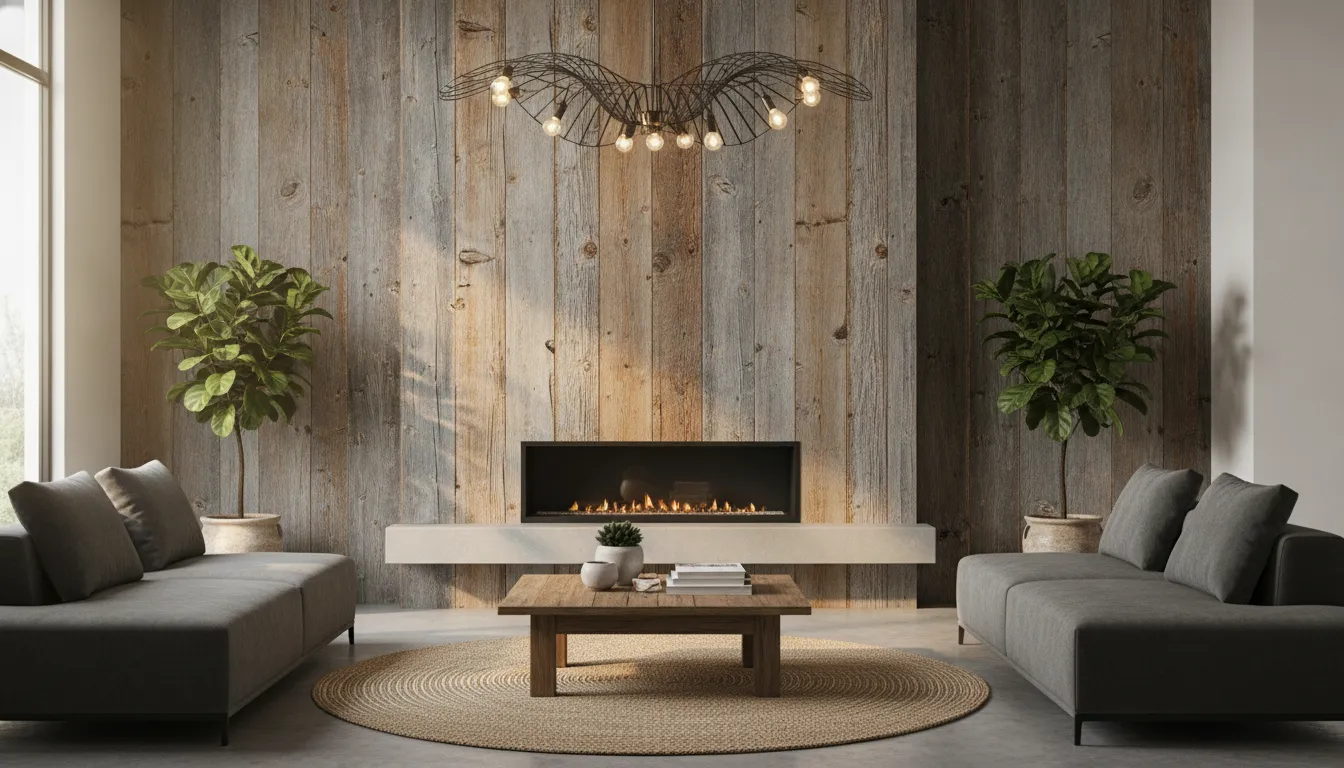
A single wall of genuine, weathered timber brings immediate texture and historical depth into a modern room. Adding this material creates a focal point that transforms a simple room into a custom space.
Ready to start your accent wall project? Request a quote today or call 845-373-8020 to discuss your design.
Designing a premium feature wall requires authentic reclaimed wood accent wall panels that carry real history and natural weathering. True salvaged barn board provides a rich patina, visible nail holes, and circle-sawn textures that cheap replica products cannot match. By selecting genuine lumber sourced from historic agricultural structures in the Northeast, each plank delivers unique color and traceable regional provenance.
Planning a custom feature wall begins with finding the perfect material palette to match your interior design goals. Start by reviewing our complete barn board siding and paneling specification guide to understand the full range of options, then explore the specific varieties below for your accent wall layout.
Reclaimed Wood Accent Wall Panels: What Barn Board Variety Fits Your Design?
Selecting the right barn board variety determines the final look of your accent wall. Each type of salvaged lumber brings a distinct color palette and surface texture. Wood Crafting offers Red Barn Board for a warm, historic feel, Gray Barn Board for a neutral weathered look, and Gray Corral Board for deep, textured character.
Choosing the right material is the first step in creating a stunning focal point. Genuine reclaimed wood accent wall panels offer a level of historic character, natural patina, and structural stability that modern imitation wood cannot replicate. Because these boards are salvaged from real barns, agricultural structures, and horse corrals, each variety tells a unique visual story through its weathered surface.
Wood Crafting Board Varieties
Each variety of genuine salvaged lumber brings a distinct color palette and surface texture to your interior design. Wood Crafting homeowners and builders can choose from several authentic options to match their project goals:
- Red Barn Board: This classic option features a rich, historic red paint patina. It delivers the traditional look of a historic American barn, making it perfect for creating a cozy, warm focal point in a living room or den.
- Gray Barn Board: Sourced from exterior siding weathered by decades of sun, rain, and snow, this option offers a soft, neutral gray tone. Its versatile appearance works well in both modern and classic spaces. See our complete reclaimed gray barn board guide for species and sourcing details.
- Mixed Brown Board: For those who prefer natural wood tones, this variety showcases deep wood grain, original saw marks, and warm, earthy hues.
- Faded Red: This style features a subtle, aged red wash rather than solid paint. It provides a softer, more muted splash of historic color.
- White Reclaimed: A clean, neutral option that helps brighten up darker rooms while maintaining the unmistakable texture of old-growth wood.
- Wire Brushed: This process removes loose surface debris to highlight the raised grain and natural contour of the wood, offering a clean yet highly tactile texture.
- Gray Corral Board: Salvaged specifically from agricultural animal fencing. Wood Crafting reclaimed corral board features deep weathering on both sides and a distinct coarse texture that sets it apart from standard barn siding.
How Color and Texture Shape Your Space
The variety you choose will directly affect the mood and size perception of your room. Warm tones, such as Red Barn Board and Faded Red, pull walls visually closer to create cozy, intimate gathering areas. In contrast, light and neutral tones like Gray Barn Board or White Reclaimed keep rooms feeling airy, open, and spacious. Beyond color, the physical texture of the boards plays a critical role. Deeply weathered Gray Corral Board or Wire Brushed planks catch light at different angles, adding physical depth and acoustic diffusion to high-ceiling spaces.
| Variety | Color Palette | Texture | Best Use |
|---|---|---|---|
| Red Barn Board | Rich historic red | Worn paint, smooth face | Warm cozy focal wall |
| Gray Barn Board | Soft neutral gray | Weathered, sun-aged | Modern or classic spaces |
| Gray Corral Board | Silvery gray | Deeply weathered on both sides | Textured feature walls |
Reviewing these comparisons helps narrow down the best choice for your specific project.
A Custom Approach Versus Standard Kits
When planning an accent wall, it is helpful to compare custom salvaged wood with pre-packaged commercial products. For instance, Centennial Woods sells packaged kits made of planks that are 1/4 inch thick with a 5-inch face, containing a mix of one to four-foot lengths. These planks are sourced from snow fences in the Rocky Mountains and carry FSC certification.
Another supplier, WoodyWalls, sells boxes of thirty to fifty-year-old wood priced at 169 to 199 dollars per box. While these retail options offer fixed sizes, they lack the rich, historic paint patina, diverse regional story, and custom batch flexibility of true Northeast and Midwest timber. Instead of rigid boxes, Wood Crafting provides batch-specific lots tailored to the exact height and width of your wall.
Processing and Preparing Salvaged Lumber
Using raw, unprocessed salvaged wood directly from a barn can lead to issues with dirt, insects, or loose nails. Wood Crafting performs extensive preparation to make the wood safe and easy to install indoors. Every board undergoes a thorough de-nailing process to remove old metal fasteners.
Planks are then power-washed to clear away decades of dust, dirt, and organic residue. This thorough preparation ensures your panels arrive clean, stable, and ready for immediate installation on your wall. According to forestry studies published by Mississippi State University Extension, proper preparation and moisture stabilization of salvaged lumber are crucial first steps. This process ensures the wood remains stable and free from pests, safeguarding your home interior for years to come.
Horizontal or Vertical: Which Pattern Suits Your Room?
Plank orientation changes how a room feels. Horizontal layouts widen narrow spaces while vertical patterns add height to low ceilings. Mixed-length boards allow you to stagger joints for a natural, rustic look. Wood Crafting provides de-nailed and power-washed lumber ready for either installation method.
The direction you run your reclaimed wood accent wall panels changes the feel of a room. Plank orientation acts as a visual tool to guide the eye and adjust the scale of a space. Sourcing genuine reclaimed lumber from Wood Crafting lets you use these lines to highlight the rich patina and age-worn character of each board.
Horizontal Layouts for a Wider Feel
Installing wood planks horizontally is a classic choice for many interior projects. This pattern draws the eye from side to side to make narrow rooms feel much wider. It creates a calm, resting rhythm that mimics natural timber lines found in old structures. When you use wide faces, such as five-inch planks, a horizontal layout grounds a room and gives it a steady, solid feel. It is a smart option for main living areas or long halls that need more visual width.
Vertical Layouts for Added Height
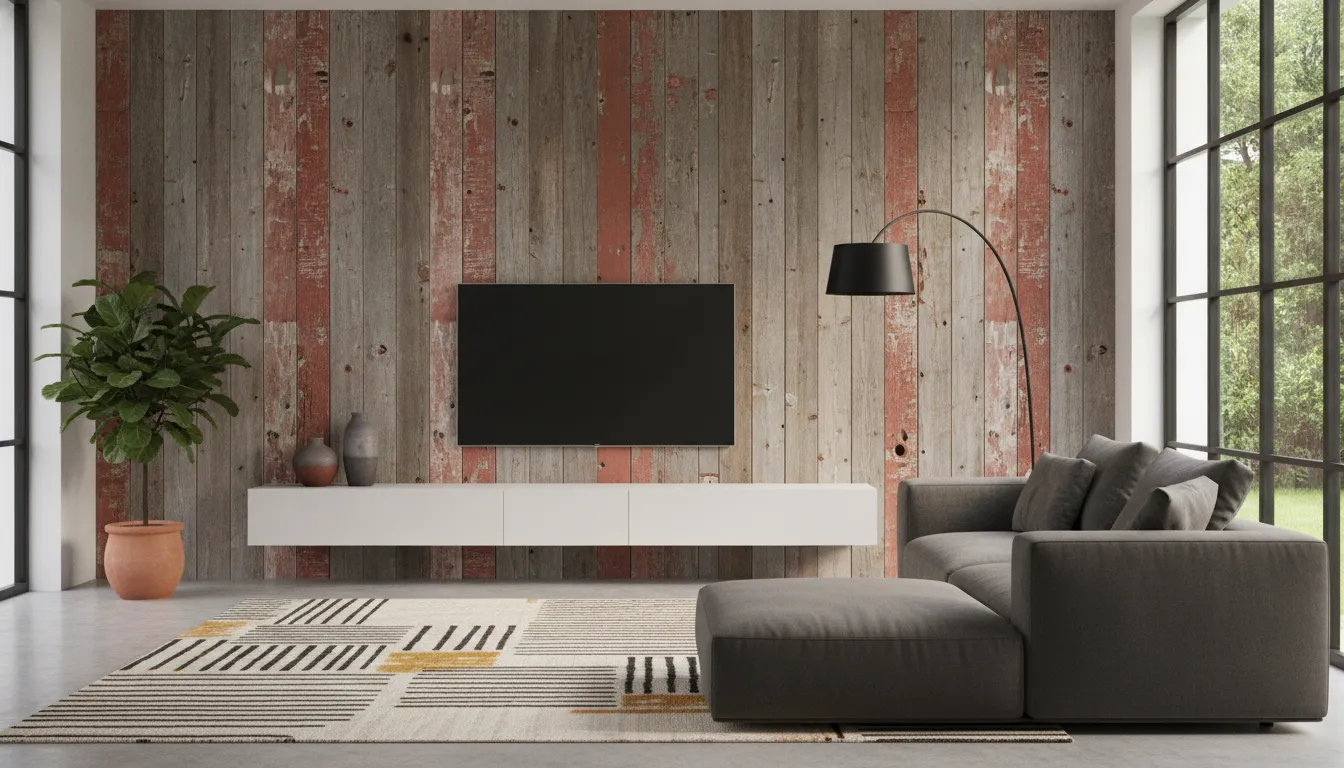
Installing planks vertically draws the eye upward to make low ceilings feel higher. This layout works well in rooms with short walls or under basement beams. It creates a bold, modern look that highlights the long grain lines of salvaged wood. Using narrow three-inch boards in a vertical line adds a clean, fast rhythm to the wall.
Visual Rhythm from Mixed Lengths
Most authentic salvaged shipments from Wood Crafting come in mixed lengths from one to four feet. This mix is a major asset for your design. Instead of a stiff, modern look, mixed lengths let you stagger the joints to create a natural, random pattern. It prevents matching joints from lining up, which can ruin the hand-made feel of a rustic wall. Staggering your joints also adds strength to the wall and cuts down on wood waste during setup.
Surface Preparation and Ready Boards
To prep your wall, you must first remove baseboards and trim from doors or windows. This step ensures the planks sit flush against the wall surface. Wood Crafting reclaimed lumber is fully de-nailed and power-washed before it arrives at your project site. This professional prep means your boards are clean, flat, and ready to install. Pre-washed boards save you hours of dusty prep work so you can focus on building a stable, beautiful wall.
How Much Material Do You Need for Your Accent Wall?
Calculating material is straightforward. Multiply wall width by height in feet to get square footage. Add 5 to 10 percent for cutting waste. Mixed-length boards from Wood Crafting reduce waste by allowing staggered joints. Order your entire project from a single batch to ensure consistent color and character.
Planning a design project with reclaimed wood accent wall panels starts with a basic material calculation. Finding the exact area of your wall ensures you order enough wood to complete the job without unwanted delays. For large-scale residential and commercial projects, Wood Crafting supplies custom batches that match your specific wall dimensions.
Calculating Your Basic Square Footage
To find your base material need, measure the flat surface area of your planned wall. Use a tape measure to find the maximum width and maximum height of the space in feet. Multiply these two numbers together to find the total square footage of the wall. For example, a standard accent wall that measures 12 feet wide by 8 feet tall results in a base area of 96 square feet.
Accounting for Cutting Waste and Trim
You should never order just the exact square footage of your wall. Cutting boards to fit your specific layout always creates some waste material. Industry experts at Plank and Mill recommend adding at least 5 percent extra material to your base calculation to account for waste. For standard residential walls, adding between 5 and 10 percent is a safe industry standard that provides a comfortable buffer. Using our previous example, adding 10 percent waste to a 96 square foot wall means you should plan to secure about 106 square feet of material.
The Advantage of Mixed Plank Lengths
The specific dimensions of your salvaged lumber can also affect how much waste your project creates. Sourcing lumber in uniform lengths often leads to more waste because you must cut major sections off the ends of boards to match your wall seams. In contrast, choosing mixed board lengths ranging from 1 to 4 feet allows you to stagger joints naturally across the wall surface. This staggered pattern not only creates a more authentic, historic look but also reduces the amount of wood you must discard during installation.
Sourcing Batch-Specific Lumber
Because genuine salvaged wood is a limited resource, inventory batches from Wood Crafting vary in color, width, and character. It is always wise to consult directly with Wood Crafting before finalizing your project plans. To ensure you receive a consistent batch that covers your entire space, view our reclaimed barn board panels and siding online. Sourcing your entire project from a single batch prevents issues with mismatched tones or varying board thicknesses on your finished wall.
Can You Mix Different Reclaimed Board Varieties on One Wall?
Yes, mixing board varieties creates a layered, authentic look. Pair warm Red Barn Board with cool Gray Corral Board for contrast. Add deeply weathered corral board for texture and lighter wire-brushed boards for balance. Wood Crafting offers multiple varieties that can be blended for a custom design.
You can create a beautiful space by mixing different types of old lumber on a single wall. Combining distinct wood colors and textures gives your wall a deeper, more natural look than using just one style. This method helps you design custom reclaimed wood accent wall panels that look like they grew over time instead of coming from a modern factory.
Contrast Warm and Cool Tones
One great way to start is by mixing warm colors with cool tones. You can pair bold Red Barn Board with weathered gray corral board from Wood Crafting. The bright red tones from old farm barns stand out nicely against the soft, cool gray tones. If you want a more subtle look, try mixing Faded Red boards with White Reclaimed panels. This pair offers a clean contrast that feels bright and spacious but still retains an authentic, rustic charm.
Add Depth with Corral Board Textures
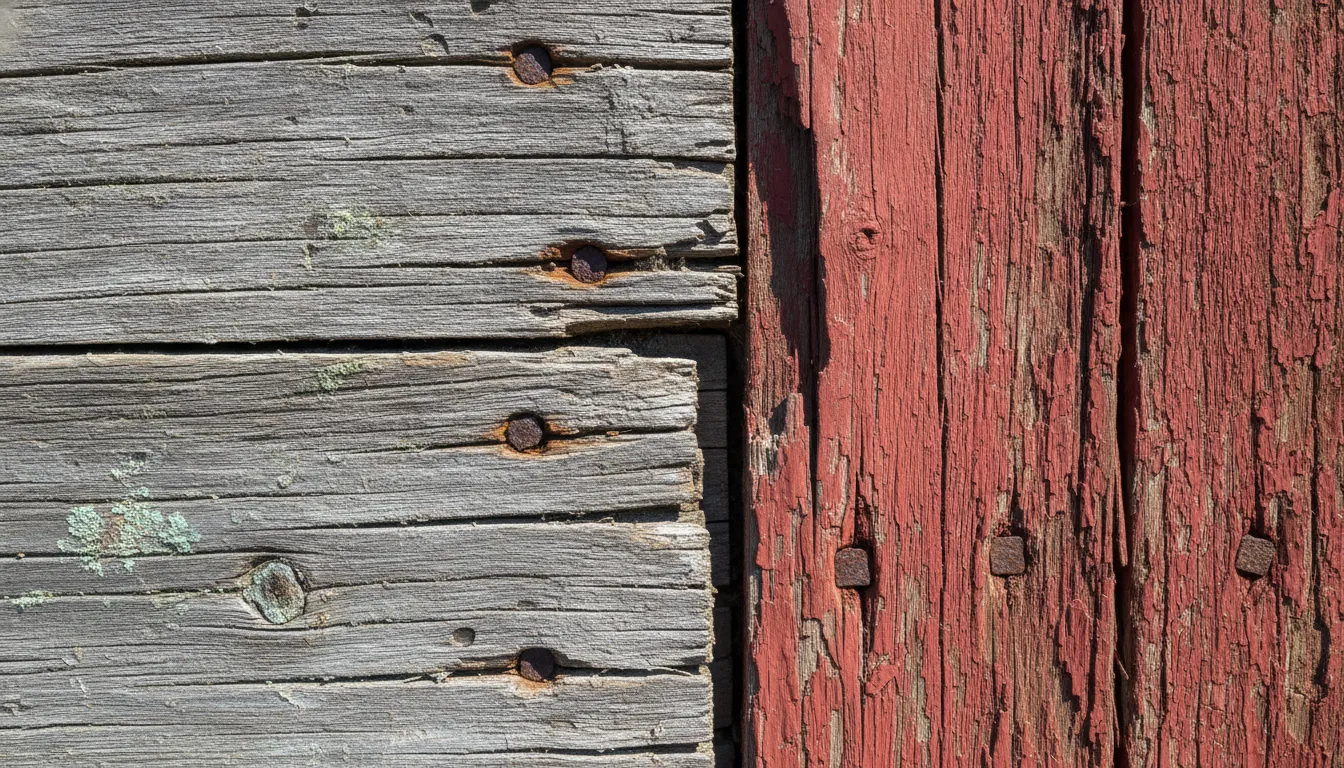
Texture is just as important as color when designing your wall. Real gray corral board provides a deeply weathered texture that acts as a strong visual anchor. This animal fencing has stood up to years of wind and rain.
The intense weather creates deep grooves and a rough grain that you cannot find in standard barn siding. According to research on salvaged materials published by Mississippi State University Extension, the value and appeal of reclaimed wood are deeply tied to the unique story and wood species it brings into your home. Mixing these heavily weathered pieces with smoother, wire-brushed boards creates a balanced design that feels rich and layered.
Design a Medley of Mixed Woods
You do not have to limit yourself to just one type of tree or structure. Industry design trends show that combining different wood species like oak, pine, and hickory creates a unique medley design. This mix mirrors the historic practice of using whatever wood was available nearby. To make your entire room feel unified, you can install reclaimed beams from Wood Crafting. Running heavy wood beams across your ceiling helps frame your new accent wall. The beams draw the eyes upward and tie the different wood tones together for a complete, cohesive space.
Working with Wood Crafting: What to Specify Before Requesting a Quote
Sourcing reclaimed lumber requires clear specifications. Tell Wood Crafting your preferred wood variety, finish style (as-is or de-nailed and power-washed), board dimensions, total square footage, and delivery location. Every quote is project-specific and valid for 30 days. Contact Wood Crafting by phone at 845-373-8020.
Sourcing genuine salvaged timber for your next design project requires clear details. Unlike modern factory products with fixed costs, Wood Crafting uses a quote model. This is because every batch of salvaged lumber has its own unique source, size, and wear. Sourcing your materials from Wood Crafting starts with a clear plan. When you define your needs first, you get an accurate price and save weeks of time.
Specify Wood Variety and Processing
First, you must pick the wood type you want. Choose from options like red barn board, gray barn board, or mixed brown board. You also need to state the style of finish. Ask for as-is boards if you want raw character, or specify de-nailed and power-washed lumber if you want clean material that is ready to install.
Our complete barn board specification guide provides detailed descriptions of each variety, processing level, and typical dimensions to help you make informed choices. For a closer look at Wood Crafting historical sourcing, you can read our story. Sourcing lumber this way helps reduce waste and shifts projects toward a circular economy as noted by Yale Environment 360.
Define Dimensions and Quantity
Next, you must specify the board sizes. Provide your preferred width, thickness, and length. Reclaimed wood from Wood Crafting comes in mixed lengths, which helps create a natural look. You also need to state your total project size in square feet. Please note that Wood Crafting focuses on large projects and does not supply small retail orders under 500 square feet. This helps serve commercial and high-end home builds with the best possible materials. Finally, share your delivery location in the Northeast so Wood Crafting can calculate shipping costs.
Get a Project-Specific Price
Every quote from Wood Crafting is built for your exact project needs. Because inventory changes, a price quote is valid for 30 days. To get your project started, you can call Wood Crafting at 845-373-8020 to discuss specs. You can also visit our local showroom at 76 Main St., Millerton. NY to see our wood varieties in person, or submit a request online to get a custom price for your design.
Ready to discuss your accent wall? Request a quote now or call 845-373-8020 to speak with Wood Crafting.
Frequently Asked Questions
Is it safe to use reclaimed wood accent wall panels indoors?
Yes, genuine salvaged wood is safe for indoor walls if it is cleaned and processed. Wood Crafting de-nails, power-washes, and inspects every board. According to Mississippi State University Extension, proper kiln-drying is also key to stabilize the wood and ensure it is free from active wood-boring pests before installation.
How do you install reclaimed wood accent wall panels?
Most projects follow a simple process. First, remove any existing trim, window casing, and baseboards from the wall. Next, prep the surface by cleaning it and making sure it is flat. According to installation guides from Woodywalls, you then apply adhesive or nails to secure the individual barn board planks directly to your wall studs or drywall.
Are reclaimed wood wall planks durable for living rooms?
Genuine salvaged timber is very strong and stable. The wood has already undergone years of natural weathering and drying. Sourcing from old-growth trees makes the wood dense and resistant to warping. According to a report by Yale Environment 360, these salvaged old-growth timbers provide great strength and stability because they are dry and stable from decades of use.
Can you paint reclaimed wood accent wall panels?
Yes, you can paint reclaimed wood, but doing so covers the natural patina and historic character that make salvaged lumber unique. Most homeowners and designers choose to leave the wood in its natural state to preserve the weathered texture, nail holes, and original paint remnants. If you need a specific color, Wood Crafting can help you select a variety that already carries the desired tone.
How do you clean reclaimed wood accent wall panels?
Cleaning reclaimed wood walls is simple. Use a soft brush or microfiber cloth to dust the surface regularly. For deeper cleaning, gently vacuum with a brush attachment to remove debris from grooves and nail holes. Avoid harsh chemical cleaners, as they can strip the natural patina. With basic care, your reclaimed wood accent wall will maintain its character and beauty for decades.
Can reclaimed wood accent wall panels be used in bathrooms?
Reclaimed wood can be used in bathrooms, but it requires careful consideration. The natural patina and checking of salvaged lumber make it more dimensionally stable than new wood, but high-humidity environments still pose a risk. Seal the wood with a breathable finish and ensure your bathroom has adequate ventilation. For directly wet areas, consider using reclaimed wood as an accent on a wall away from the shower.