
Reclaimed Wood Ceiling Beams: Sizing and Design Guide
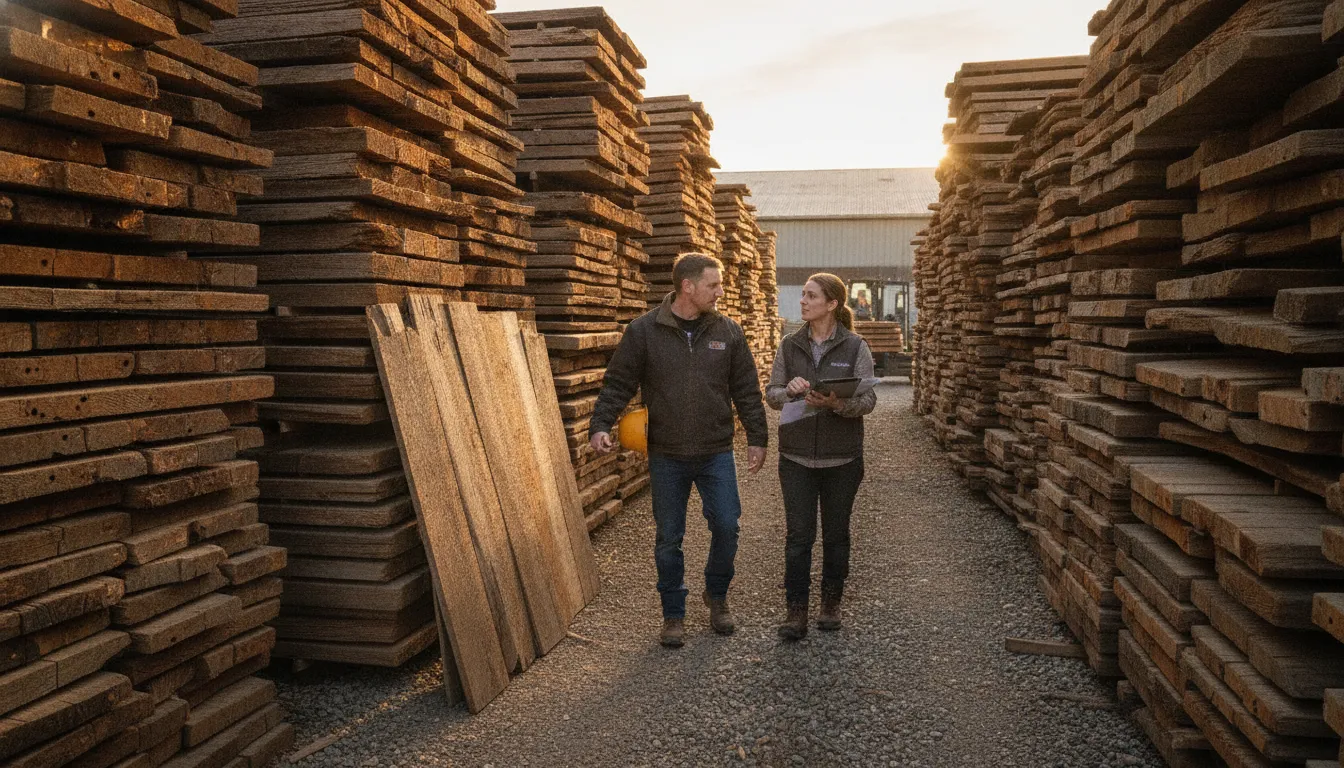
Sourcing solid wood beams from century-old barns preserves historic craftsmanship for custom home designs. These heavy timbers provide an authentic weathered patina that new wood cannot match.
Request a quote for reclaimed ceiling beams
Reclaimed wood ceiling beams are salvaged timber elements sourced from historic barns and old factories that add structural support or decorative character to modern rooms. These antique timbers come as solid wood pieces for load-bearing support or as lightweight hollow box beams to cover pipes and wires. According to Mississippi State University research, designers value these materials for their unique nail holes and weathered textures that new wood cannot match. Every beam undergoes careful de-nailing, power washing, and kiln-drying to reduce moisture, eliminate pests, and prevent future checking or warping. Sourcing from old buildings also reduces waste and saves energy compared to processing new lumber. We provide custom sizing and original textures to help you specify the right reclaimed wood beams for custom projects.
Before you order materials, you must decide how these timbers will function in your architectural plan. Weight, costs, and installation methods all depend on whether the wood supports a load or serves as an ornament. We compare these options in Decorative vs. Structural Ceiling Beams: Which Type Does Your Project Need? starting with
Decorative vs. Structural Ceiling Beams: Which Type Does Your Project Need?
Choosing the right timber format is a key choice for any custom build. Architects and builders often compare solid timbers to hollow box beams. Whether your ceiling needs structural support or a rustic finish, choosing high-quality reclaimed wood ceiling beams changes the layout. Each type has its own load demands and visual traits. Comparing these choices helps you find the right fit for your floor plans.
Solid structural timbers for load-bearing needs
Solid beams are crafted from a single, large piece of timber, while box beams are hollowed structures made from reclaimed planks. When salvaged timbers are intended for structural use, they must be assessed and rated for load-bearing capacity. These solid timbers give strong support when chosen by an engineer. They show historic character through deep checking and natural wane. These traits show the long history of the wood but do not reduce its strength. Builders use solid timbers to carry high roof loads and keep historic charm.
Box beams for decorative flexibility and chase integration
Decorative beams, including box beams, add visual depth to ceilings without structural needs. Box beams give the look of solid wood without the massive weight, which simplifies setup. Because they are lighter, crews can mount them faster without heavy lifts. The hollow construction of box beams provides space for integrated electrical or mechanical systems. This hollow space lets you hide cables, pipes, or structural steel from view. Before you hang them, starting the process of finishing your reclaimed wood ceiling beams helps protect the wood. You can customize box beams to fit any room width or ceiling height.
Key selection criteria for specifiers
Designers embrace the unique character marks, nail holes, and patina found in reclaimed wood. But you must also watch for wood-boring insects in old timber. If the wood has not been properly kiln-dried before use, these beetles can emerge as adults years later. To prevent this, kiln-drying is needed to reduce moisture and kill any pests. This thermal process keeps the wood stable and safe for interior spaces. The right choice also depends on species, type, and source.
| Factor | Solid Reclaimed Beams | Reclaimed Box Beams |
|---|---|---|
| Structural Load | Excellent for carrying structural loads. | Purely decorative with no structural capacity. |
| Weight & Handling | Very heavy, requiring crane or crew. | Lightweight and easy to mount by hand. |
| Utility Integration | Solid wood cannot hide cables or pipes. | Hollow cavity easily hides wiring and steel. |
| Pest Risk | Must check for wood-boring insects first. | Built from dry, thin boards with low risk. |
| Cost Factors | High cost based on species rarity and size. | Lower material cost but requires assembly labor. |
Choosing Beam Dimensions for Different Ceiling Heights and Spans
Sizing reclaimed wood beams for custom projects balances looks with structural needs. The size you choose must match the room height to create a balanced design. Taller rooms need larger timbers to fill the space, while small rooms take thin accents to keep the ceiling from feeling low.
Ceiling Height and Visual Scale
Ceiling height is the main factor in beam depth. Low ceilings of eight feet need smaller beams like 4x4 or 6x6 inches to prevent a cramped feel. Taller ceilings of ten to twelve feet look best with deeper members. You can use 8x8 or 8x10 beams to fill the high space. Large rooms with vaulted ceilings can support massive timber. For these grand spaces, beam sizes can reach up to 13x17 inches with lengths up to 40 feet.
Beam sizes range from 4x4 to 13x17 inches, and lengths reach up to 40 feet for our largest timbers. The span of the room also dictates the size of your beam. Long spans need deeper timbers to avoid sagging under their own weight. For example, a twenty-foot room span needs a beam that is at least ten inches deep. As a rule, use one inch of beam depth for each foot of room height.
Aesthetics and Structural Support
Choosing the right size is not just about looks. Sizing reclaimed wood ceiling beams needs balancing style with structural support, according to Mississippi State University research. Some projects use beams as non-structural accents. In other homes, the wood must support real weight from the roof or floor above. If the beam is load-bearing, an engineer must choose the correct size for the span. The cost of your project will depend on the wood species and beam type you select.
Solid beams are heavy and need strong ceiling framing to support their weight. If your framing cannot hold solid wood, box beams are a great choice. Box beams are made from three-quarter-inch or one-inch boards. They are hollow and light, but they look just like solid timber. The choice between solid and box beams is a key factor in your overall budget.
Species Selection and Moisture Control
Reclaimed timber comes in many species, such as oak, pine, and Douglas fir. Each species has unique grain lines and strength ratings, as noted in the Mississippi State University extension guide. Oak is strong and heavy, while pine is lighter and has a warm tone. Before you mount the beams, checking the moisture content is a key step. If the wood is too wet, it may shrink or warp after you mount it on your ceiling.
Proper drying keeps your beams stable for decades. Our drying process reduces the risk of pests and wood rot. Kiln-drying kills bug eggs and brings the wood to a stable state. This makes sure that your beams do not change shape once they are up on your ceiling. Working with a professional wood shop helps you get high-quality products that are safe for your home.
Surface Finish Options: Rough-Hewn, Hand-Hewn, and Weathered Barn Patina
The outer texture of reclaimed wood ceiling beams dictates their style and presence in a room. This unique look comes from decades of natural aging. Old wood has a depth of beauty and uniqueness that new wood cannot mimic. When you select a finish, you decide how much of this historic character to keep.
Rustic and hand-crafted textures
For a bold, rustic look, Hand-Hewn beams offer the most history. These timbers feature uneven hand-hewn tool marks left by the axes of early builders. The wood often shows deep wood checking and some wane along the corners. These features create heavy shadows and add a strong historic look to high ceilings.
If you want a straighter wood cut, a Rough-Sawn finish is a great fit. These timbers show either curved circle-sawn scars or straight band-sawn marks from historic mills. The saw marks catch light and add texture without looking too bulky. It keeps the raw look of the wood but has a more square shape.
Weathered patina and smooth alternatives
Timbers kept outside have a distinct Weathered Barn Patina with a soft grey tone. This original finish is rich with character from years in the sun and rain, showing old barn timber with dark nail holes and weathering. For these raw beams, you should review our guide on finishing your reclaimed wood ceiling beams. A clear sealant can protect the soft wood while keeping its cool tone.
For modern spaces, you can choose a Resawn or Planed Smooth (S4S) finish. These beams are cut down to reveal clean grain under the old outer skin. Planed beams have a smooth face with no dark sapwood showing, while a Wire-Brushed face removes loose dirt while keeping the old texture. Our team can help you find high-quality reclaimed wood ceiling beams with these custom looks.
Key specifications for your build documents
When you write your design specs, be sure to note the exact texture and look you want. Do not just request old wood. Clearly state if you need hand-hewn marks, saw scars, or a planed face, and note if you want a light wash or wax finish. Listing these details in your plans ensures you get the exact style your space needs.
Architects should also state if they need structural ratings or purely decorative timbers. Solid and box beams have different mounting needs, so your plans must detail the backing and bolts. Getting these specs right early in the design stage prevents delays during build. Working with an expert shop helps ensure your specs match the wood's limits.
How to Space and Lay Out Reclaimed Wood Ceiling Beams for Visual Balance
Placing reclaimed wood ceiling beams requires a careful layout plan before you order the wood. Real old growth timber has unique traits like checking, wane, and a deep patina that draw the eye up. If you place the beams too close, they will crowd the room, but if you space them too far apart, the look is lost. As shown by Mississippi State University Extension, sizing beams right takes a balance of visual style, structural weight limits, and room scale.
Layout planning before ordering
Before you buy high-quality reclaimed wood ceiling beams, you must check a few key facts. Hand-hewn logs often have slight twists that affect how they sit on a flat surface. You must also decide if they will hold weight or just look good. Authentic reclaimed wood beams for custom projects offer a timeless look, so you should plan for finishing your reclaimed wood ceiling beams to protect the surface.
Optimal spacing intervals
For most homes, a space of four to eight feet on center works best to keep the ceiling looking balanced. If your ceiling is high, you can use larger beams and space them further apart. Low ceilings need smaller, flatter timbers to prevent a heavy feel. It also helps to align each timber with key room features like fireplaces or kitchen islands to anchor the layout.
Defining open architectural spaces
Ceiling lines can change how a room feels, since long timber runs draw the eye up and add structure to flat ceilings. In large, open homes, beams help define distinct living zones without using walls. For instance, a series of heavy pine joists can mark where a kitchen ends and a dining area begins. This design trick works well in both rustic log cabins and clean modern lofts.
Key design points
If you are planning your design, think about these main layout points:
- The direction of your joists, since decorative beams usually run across the ceiling framing.
- Where you put lights, since they must fit between the beams.
- The presence of wane or sapwood, which should face down or up depending on what you like.
- The ceiling height, which decides if a thick hand-hewn beam or a slim box beam fits the room's scale.
Ordering Reclaimed Ceiling Beams: What to Specify and What to Expect
Adding reclaimed wood beams for custom projects brings deep history and charm to any room. Sourcing reclaimed wood ceiling beams from salvaged barns and horse corrals across the Northeast preserves unique craftsmanship. This practice is also a green choice. By reusing old wood, builders save energy. This is shown by research on building reuse. This process keeps old materials out of landfills and gives new life to historic wood. These old timbers have a rich past and help preserve historical trees.
Preparing your beam specifications
Buying heavy timbers means working with experts who find safe materials. These experts make sure the raw timbers are clean, strong, and dry. Milling and drying are key steps to turn raw wood into stable building parts. This is noted in reports on regional timber crafting. At Wood Crafting LLC in Millerton, NY, teams de-nail and wash each beam. Key Specification: Builders must decide if the timber needs planing or a rough-sawn original face. This choice defines the texture and final look of your ceiling.
The five-step ordering process
Ordering these timbers involves a few clear steps. This helps ensure the wood fits your plans. Following this path prevents errors on the job site.
- Assess structural needs. Builders must check if the beams will hold weight or just serve as decor. Old timbers need a careful check to verify their quality and strength, as noted in academic timber guides. Engineers must sign off on any structural layouts.
- Select wood species. Choose species like hemlock, pine, or oak from century-old structures. Each species offers distinct grain lines, colors, and strength. Hemlock is very common in old Northeast barns.
- Verify moisture content. Checking moisture is a key step to prevent future wood warping. Measuring moisture is a key quality check before installation, as shown by expert wood guides.
- Plan the processing work. Decide on options like de-nailing, power-washing, or hand-planing. De-nailing protects tools and ensures safe cutting on the job site. Power-washing reveals the natural patina of the wood.
- Request a custom quote. Submit your final dimensions, species, and choices to the mill. Because pricing depends on wood rarity and processing, so you must request a quote for costs.
What to expect during delivery
Once your order is ready, the timbers are packed for freight shipping. Beams are heavy and require careful unloading at the job site. Prepare a crew or forklift to unload and check the timbers when they arrive. This ensures the wood stays safe during handling.
Get a quote for your reclaimed wood ceiling beams today
Frequently Asked Questions
How much do reclaimed wood ceiling beams cost?
The cost for real wood beams depends on the wood species, beam type, and where they came from. Solid beams cost more than box beams due to weight and shipping. High-quality custom beams need more work to de-nail and dry. According to Vintage Wood Floors, price is set by material rarity, wood species, and prep work. You can request a quote to get pricing for your exact project needs.
Why must reclaimed wood ceiling beams be kiln-dried?
Kiln-drying is a vital step because it kills pests and lowers moisture. If old wood is not dried, bugs like beetles can live inside and emerge years later. According to Mississippi State University, old house borer beetles can reinfest exposed softwood lumber in a home if moisture is too high. Drying also stops the wood from warping, shrinking, or checking after you install it.
Can reclaimed wood ceiling beams support structural weight?
Yes, reclaimed wood beams can be used for structural support. However, they must be graded and rated by an engineer first. Older wood often has great strength, but age, nail holes, and cracks can change how much weight a beam can hold. According to Mississippi State University, salvaged timbers meant for structural use must be assessed for load-bearing capacity to ensure safety.
How long does it take to receive reclaimed wood ceiling beams?
Timing depends on species availability, processing work, and the season. Every beam is de-nailed, power-washed, and kiln-dried before it ships, so custom orders take longer than stock lumber. Your project team can provide a realistic lead time once you submit your final dimensions and finish choices so your installation is planned around real availability.
Can reclaimed wood ceiling beams work in an existing home remodel?
Yes. Reclaimed ceiling beams are often added to finished rooms as decorative architectural features. Because they are lightweight box beams or sized to fit within an existing structure, they can be installed during a remodel without major framing changes. Confirm the structural details with your builder or engineer so the beam weight and attachment method fit your ceiling.
Ready to plan your reclaimed wood ceiling beams?
Waiting to place your final order can cause major delays for your building crew and push back your build timeline. Authentic reclaimed wood is hard to source because each barn beam must be carefully de-nailed, power washed, and kiln dried before indoor use. Buying your reclaimed timber today makes sure your custom order arrives on site exactly when your builders are ready.
Ready to get started? Request your reclaimed wood ceiling beams quote today. Our local team will help you choose the right wood species and select the perfect surface finishes. We will also help you plan a custom delivery schedule that fits your building project.