
Exterior Barn Wood Siding: The Ultimate Guide
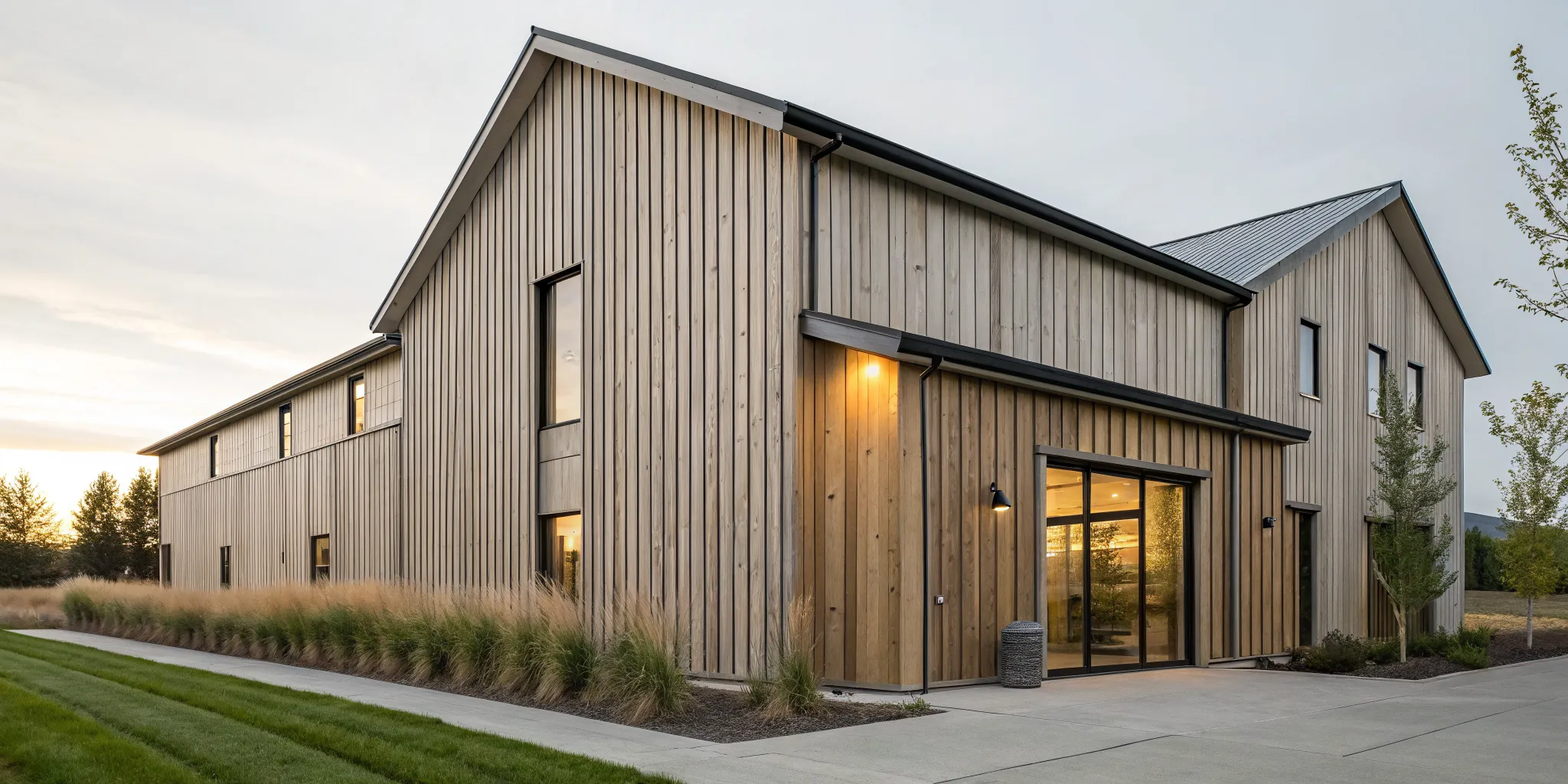
Every building material has a function, but very few have a soul. When you choose a siding for your home or project, you're making a statement about what you value. Standard materials offer uniformity, but they lack a past. Authentic reclaimed wood, on the other hand, brings a century of history to your walls. We're talking about wood salvaged from historic barns and agricultural structures right here in the Northeast and Midwest. This isn't just lumber; it's a collection of stories told through deep grain, original saw marks, and a patina earned over decades. Using genuine exterior barn wood siding is about more than just aesthetics; it's about connecting your modern project to a rich, tangible piece of American heritage.
Key Takeaways
- Embrace Authentic History: Genuine reclaimed wood brings a story and character to your project that new materials cannot match, as its unique weathering and patina ensure your design is truly original.
- Think Beyond Rustic Design: Barn wood is incredibly versatile, so use its rich texture to add warmth and an organic contrast to modern, industrial, or contemporary spaces, not just farmhouse-style homes.
- Prioritize Quality and Proper Care: Ensure a beautiful result by choosing a supplier who properly kiln-dries their wood, and protect your investment with a smart installation and simple annual maintenance.
What Is Exterior Barn Wood Siding?
Exterior barn wood siding is more than just a building material; it’s a piece of history for your home or project. This siding is made from genuine reclaimed wood, carefully salvaged from old barns, horse corrals, and other agricultural structures, primarily across the Northeast and Midwest. Each plank tells a story through its unique weathering, saw marks, and rich patina developed over a century of exposure to the elements. Choosing authentic barn wood means wrapping your space in natural warmth and character that simply can’t be replicated. It’s a way to connect your modern project to a rich, American heritage.
Barn Wood vs. Standard Siding: What's the Difference?
When you compare real barn wood to standard siding, the main difference is authenticity. Standard siding, like vinyl or fiber cement, is manufactured for uniformity. Even new wood products treated to look old can’t quite capture the genuine character of reclaimed materials. True barn wood has lived a life, and it shows in the best way possible. You’ll find original nail holes, variations in color from sun and rain, and the dense grain of old-growth timber. Our siding and paneling offers this unique texture and history, making each installation a one-of-a-kind statement piece, unlike the repetitive patterns of new or imitation products.
Popular Wood Species
The wood used in old barns tells a story about the local landscape. Here in the Northeast and Midwest, builders used what was strong and available, which means our reclaimed siding features durable species like oak, pine, hemlock, and chestnut. These woods were chosen for their resilience and have proven their strength by standing for over a hundred years. While some suppliers may offer exotic woods like teak from other parts of the world, we believe in the power of a local story. The species we salvage reflect the history of American agriculture, and you can learn more about our commitment to this heritage in Our Story.
Architectural Styles That Shine with Barn Wood
Don't feel limited to a purely rustic design when considering barn wood. While it’s a natural fit for modern farmhouses and barn-style homes, its versatility is one of its greatest strengths. The rich texture of reclaimed wood creates a stunning contrast with sleek, modern materials like steel, glass, and concrete. Imagine a contemporary home with a warm, weathered accent wall or a commercial space that uses board-and-batten siding for a touch of organic beauty. It also pairs beautifully with other natural elements, like the timber-framed details you can create with reclaimed beams, to create a cohesive and inviting look.
Reclaimed vs. New: Which Siding Is Right for You?
When you’re planning a project with a rustic feel, you’ll face a key decision: should you use authentic reclaimed barn wood or new wood that’s been made to look old? It’s a choice between genuine history and modern interpretation. One carries the story of its past in every grain, while the other offers a consistent, manufactured character. There’s no single right answer, but understanding the differences will help you choose the material that best fits your vision, values, and budget.
Truly reclaimed wood is salvaged from structures that have stood for a century or more, giving it a texture and patina that simply can’t be replicated. New "barn wood" siding, on the other hand, is a purpose-built product designed to mimic that aged appearance. It can be a great alternative, but it’s important to know what you’re getting. Let’s look at the character, cost, and environmental impact of each so you can make a confident choice for your home or building.
The Unmistakable Character of Reclaimed Wood
Choosing authentic reclaimed wood means you’re choosing a material with a soul. Each plank has a story, weathered by decades of sun, wind, and rain on barns and agricultural buildings across the Northeast and Midwest. This history is visible in its unique features: the deep, furrowed texture of the grain, the original saw marks from mills long since gone, and the rich, varied coloration that only comes from natural aging. The older the wood, the more pronounced these characteristics become. By using reclaimed wood, you’re also making an incredibly eco-friendly choice that reduces the demand for new timber and gives a beautiful, durable resource a second life. It’s more than just siding; it’s a piece of American history.
What About New "Barn Wood" Siding?
New "barn wood" siding is a product created to capture the rustic aesthetic of reclaimed wood without the variability or sourcing challenges. This material is typically made from new lumber that undergoes a distressing process to mimic the look of aging. Techniques like wire-brushing, applying special stains, and machine-marking create a textured, weathered appearance. The primary advantage here is consistency. Every board will have a similar color and texture, which can make installation more predictable. It’s often a more affordable option and can be a practical way to achieve a barn wood look, especially if your project requires a high degree of uniformity across a large area.
Comparing Cost, Aesthetics, and Eco-Impact
When you put reclaimed and new siding side-by-side, the differences in cost, appearance, and sustainability become clear. Reclaimed lumber generally requires a higher initial investment because of the careful labor involved in sourcing, de-nailing, and processing it. However, many find the unmatched authenticity is well worth the cost. Aesthetically, nothing compares to the one-of-a-kind character of genuine siding and paneling that has aged naturally. New siding offers a consistent look but lacks the unique story and depth of true reclaimed wood. Finally, while some new products are made with sustainability in mind, reclaimed wood is inherently the most eco-friendly option. Before being sold, it’s thoroughly inspected to ensure it’s free from pests or damage, guaranteeing you get a safe, high-quality material.
Why Choose Barn Wood Siding?
When you're planning a project, every material choice matters. Barn wood siding isn't just a covering for your home or building; it's a statement. It brings a sense of history, strength, and soul that you simply can't replicate with new materials. Choosing reclaimed barn wood means you're opting for a product that has already proven its worth over decades, or even centuries. Beyond its stunning appearance, this type of siding offers practical benefits that make it a smart and sustainable investment for any build. Let's look at the top reasons why designers, builders, and homeowners are drawn to the unique appeal of authentic barn wood.
An Eco-Friendly Story in Every Plank
Choosing reclaimed barn wood is one of the most sustainable decisions you can make for a building project. By using wood that has already served a long life, you're giving it a new purpose and keeping it out of a landfill. This directly reduces the demand for new timber, which helps preserve our forests and protect natural habitats. Every piece of our siding comes from dismantled barns and fences right here in the Northeast and Midwest, so you're not just getting a beautiful material; you're becoming part of a cycle of reuse. It’s a choice that feels good and tells a powerful story of environmental responsibility.
Durability That Lasts for Generations
The wood used in old barns was often harvested from dense, old-growth forests. This timber is naturally stronger and more resilient than most of the new wood available today. For decades, it has endured harsh weather, from blazing sun to heavy snow, and has only grown stronger and more stable. This proven track record means your siding and paneling will be incredibly durable, capable of standing up to the elements for generations to come with proper care. You're not just buying wood; you're investing in a material that has already passed the ultimate test of time, ensuring your project is built to last.
Timeless Beauty and One-of-a-Kind Character
You can't manufacture history. The true beauty of reclaimed barn wood lies in its imperfections. Each plank tells a story through its unique grain, weathered patina, saw marks, and nail holes. The deep furrowing on the surface is a direct result of its age, with each groove representing years of exposure to the elements. This means no two boards are exactly alike, giving your project a completely one-of-a-kind character that mass-produced siding can never achieve. By choosing authentic reclaimed wood, you're weaving a piece of American history into the fabric of your design, a story you can see and feel. It’s a testament to the journey of each piece from a historic structure to your modern project.
Myths About Reclaimed Barn Wood (and the Truth)
When it comes to reclaimed wood, there's a lot of information out there, and not all of it is accurate. Let's clear up a few common misunderstandings so you can feel confident choosing authentic barn wood for your project. These materials carry a rich past, and understanding the truth behind them is part of appreciating their value.
Myth: "It's just old, low-quality wood."
It’s easy to think "old" means "weak," but with reclaimed wood, the opposite is often true. The wood we salvage from historic barns was typically harvested from old-growth forests. These trees grew slowly, creating dense, durable lumber that you just can't find today. This wood has already proven its strength by weathering decades of seasons as part of a sturdy structure. Far from being low-quality, this timber has stood the test of time, making it an incredibly strong and stable material for modern building projects. The story behind our wood is one of resilience and enduring quality.
Myth: "It only works for rustic designs."
While reclaimed wood is a natural fit for rustic and farmhouse styles, its versatility might surprise you. The rich textures and unique patinas of barn wood can bring warmth and character to any design, from modern minimalist to sleek industrial. Imagine a single accent wall of weathered gray siding in a contemporary living room, or reclaimed beams stretching across the ceiling of an open-concept kitchen. The key is contrast. When paired with clean lines, metal, and glass, reclaimed wood adds a layer of history and organic beauty that makes a space feel truly unique and thoughtfully designed.
Myth: "It's dirty or unsafe."
This is a valid concern, but one that any reputable supplier addresses completely. Authentic reclaimed wood isn't just pulled from a barn and sent to your door. It goes through a meticulous process to ensure it's clean, safe, and ready for your project. This includes carefully removing all nails, brushing away dirt, and kiln-drying the wood. The kiln-drying process is especially important, as it eliminates any risk of insects or mold. These reclaimed wood misconceptions are common, but our thorough preparation guarantees that the siding and paneling you receive is not only beautiful but also perfectly safe for your home.
How to Care for Your Barn Wood Siding
One of the best things about authentic barn wood is its inherent resilience. This wood has already stood for a century or more, weathering seasons of sun, rain, and snow. With a little care, your exterior siding will continue to tell its story for generations to come. Proper care isn’t complicated; it’s about protecting your investment from the start and performing simple annual check-ups to keep it looking its best.
Protecting Your Siding: Sealing and Finishing
While our reclaimed wood has proven its toughness, a quality finish is its best defense against the elements. To preserve the rich tones and textures, you’ll want to choose a quality sealer or stain that offers UV protection and moisture resistance. This helps prevent the wood from fading or absorbing excess water. Of course, some people love the silvery-gray patina that develops as unsealed wood ages, so the choice is entirely up to your aesthetic preference.
Before applying any product, the most important step is to ensure the wood is completely dry. Applying a sealant to damp wood can trap moisture inside, which is something you want to avoid. A little patience here goes a long way in ensuring a beautiful, long-lasting finish.
Simple Cleaning and Pest Prevention
Keeping your barn wood siding looking fresh doesn’t require a demanding schedule. A simple annual cleaning is usually all it takes. Gently wash the siding with a soft-bristle brush and a mild, pH-neutral cleaner to remove any dust, pollen, or grime that has built up over the year. This is also the perfect time to inspect your siding.
Take a walk around your home and check how the finish is holding up, looking for any areas that might need a small touch-up. This yearly maintenance check helps protect your siding from sunlight and moisture damage. A clean and well-sealed surface is also your best defense against pests, as it gives insects no incentive to try and make a home in the wood.
Smart Installation for a Lifetime of Beauty
Long-term care for your barn wood siding begins with a smart installation. When installed correctly, your siding will not only look incredible but will also effectively protect your home. The process should always start with properly prepping the structure, which includes adding a house wrap or vapor barrier. This creates a critical layer of moisture protection between the siding and your home’s sheathing.
From there, it’s all about building a solid foundation. Working from a level starter strip ensures your lines will be straight all the way up. Proper support and spacing are also key for a durable result. A great installation is the first and most important step in ensuring your beautiful, reclaimed siding and paneling will be a feature you can enjoy for a lifetime.
Where to Find Authentic Barn Wood Siding
Once you’ve decided on barn wood siding, the next step is finding the right material for your project. The source of your wood is crucial, as it determines the quality, authenticity, and character of the final result. True reclaimed wood tells a story that can’t be replicated, so it’s important to partner with a supplier who honors that history. A great supplier won’t just sell you wood; they’ll provide you with a piece of the past, carefully prepared for its new life on your home.
How to Choose a Reputable Supplier
Finding a trustworthy supplier is the key to a successful project. Since "reclaimed wood" is a popular term, you'll want to ask a few questions to make sure you're getting authentic, high-quality material. A reputable company will be transparent about its process and proud of the wood's origins. Ask them where their wood comes from and what steps they take to prepare it. Quality suppliers kiln-dry their wood to ensure it’s stable and free from pests. They also maintain high milling standards, meaning each plank is cut precisely for a smooth installation. A supplier’s passion for their craft and their materials is often the best indicator of quality, reflecting a deep commitment to their story and the products they offer.
Our Promise: Locally Sourced, Genuinely Reclaimed Wood
We believe the best wood has a story to tell. That’s why we source our materials from historic barns, horse corrals, and agricultural fences throughout the Northeast and Midwest. By choosing our genuinely reclaimed siding and paneling, you’re making an eco-friendly choice that reduces the demand for new timber and gives beautiful, durable materials a second life. Each plank carries the visible marks of its past, from saw marks and nail holes to the rich patina that only comes from a century of exposure to the elements. This isn’t just wood; it’s a piece of local history, ready to bring unparalleled character and timeless beauty to your project.
Frequently Asked Questions
Is reclaimed wood really more expensive than new siding? While authentic reclaimed wood can have a higher initial price than new or imitation products, it’s helpful to think about long-term value. The cost reflects the careful labor involved in salvaging, de-nailing, and kiln-drying each plank. You are investing in a material that is naturally more durable and has a one-of-a-kind character that simply cannot be manufactured. For many, the unmatched history and proven strength make it a worthwhile investment in their property.
How do I make sure I'm buying authentic reclaimed wood? A great supplier will be happy to tell you their story. Don't hesitate to ask where their wood comes from and what their preparation process looks like. A trustworthy source will be transparent about salvaging materials locally and will detail important steps like kiln-drying, which ensures the wood is stable and free of pests. Their passion for the wood's history is often the best sign you're getting a genuine, high-quality product.
Will the color of my barn wood siding fade or change? The final look of your siding is up to you. If you love the rich, varied tones of the wood as it is, applying a quality UV-protectant sealer will help preserve that color for years. If you prefer a more weathered look, you can leave the wood unsealed. Over time, exposure to the elements will naturally age the wood to a beautiful, silvery-gray patina.
Can I use this wood for an interior accent wall? Absolutely. The same reclaimed planks used for exterior siding make stunning interior features. Using the wood as paneling for an accent wall, ceiling treatment, or island wrap is a fantastic way to bring that rich texture and history inside your home. It adds a warm, organic element that pairs well with almost any design style, from modern to traditional.
What does long-term maintenance really look like? Caring for barn wood siding is surprisingly straightforward. The wood is already incredibly resilient, so your main job is to keep it clean and protected. This usually just means a gentle wash once a year to remove dust and pollen. During your annual cleaning, it's a good idea to inspect the finish and touch up any areas that might need it to keep the wood shielded from moisture.