
How to Buy Antique Wood Beams: An Expert Guide
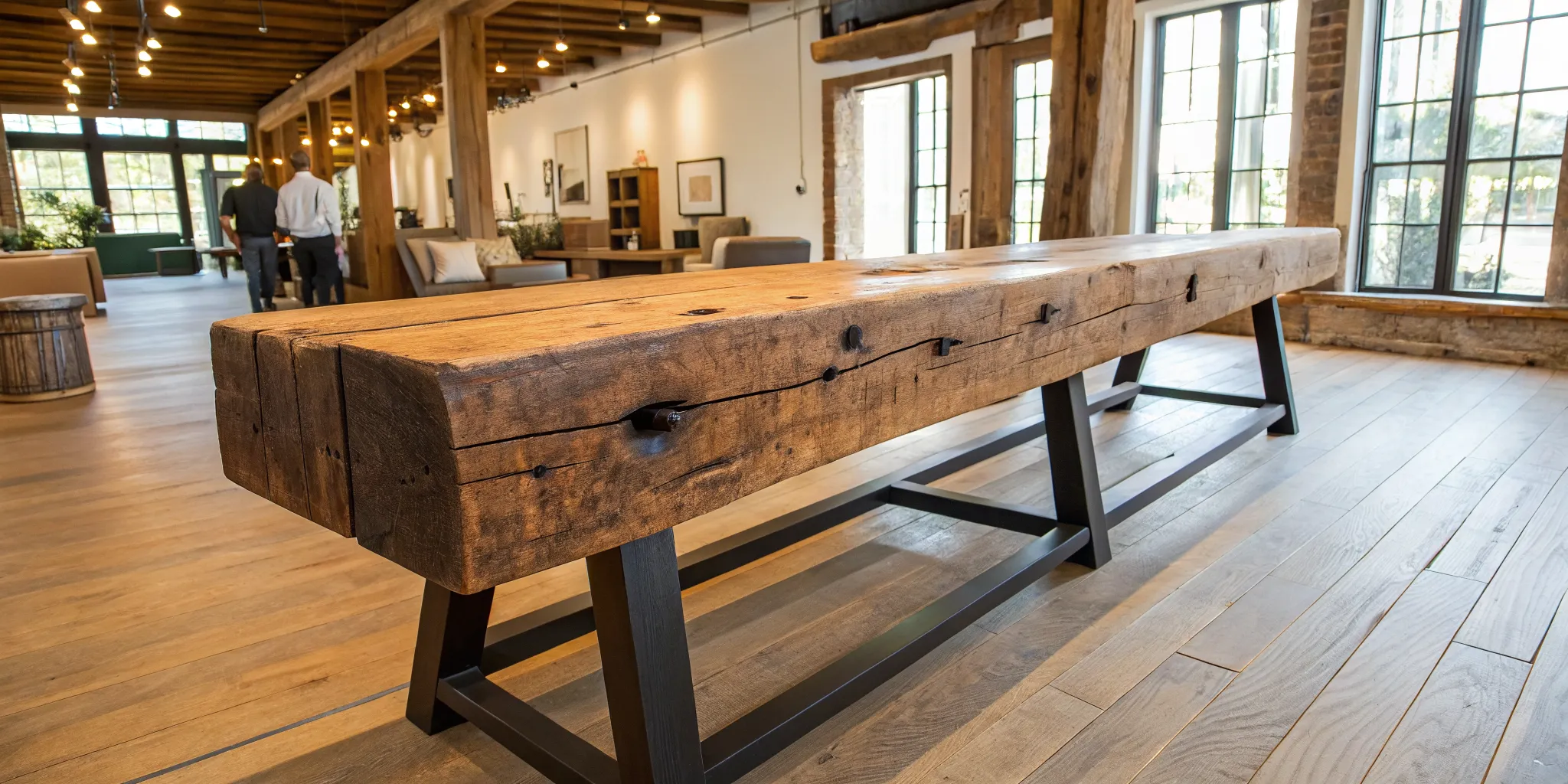
Some design elements quietly complete a room, while others become its heart. An antique wood beam falls firmly in the second category. Whether it’s spanning a vaulted ceiling or serving as a rugged fireplace mantel, its presence adds a layer of warmth, history, and texture that no other material can match. Its versatility allows it to ground a rustic design or create a stunning contrast in a modern space. But to get that powerful effect, you need to choose the right piece. This guide will show you how to select a beam that fits your aesthetic, understand the different styles available, and ultimately buy antique wood beams that transform your space from ordinary to unforgettable.
Key Takeaways
- Know Your Beam's Story: Understand the key differences between hand-hewn, rough-sawn, and resawn beams to select the perfect texture for your project, and remember that authentic wood offers a depth of character that manufactured alternatives cannot match.
- Purchase with Confidence: A quality beam is more than just old wood; inspect it for structural integrity, ask about its history (provenance) to verify its authenticity, and confirm it has been properly treated for pests to ensure a sound investment.
- Design Beyond the Rustic: Antique beams are not just for farmhouse designs; use their unique texture as a structural support, a decorative ceiling accent, or a fireplace mantel to add warmth and a powerful focal point to modern and contemporary spaces.
What Defines an Antique Wood Beam?
When you hear "antique wood beam," you might just picture an old piece of wood. But it's so much more than that. An antique beam is a piece of history, defined by its age, the way it was shaped, and the story it tells. These beams were often the structural foundation of old barns, factories, and homes, and they carry the marks of a bygone era of craftsmanship. Understanding the different types of antique beams is the first step in choosing the perfect one for your project. Each style has a unique texture and character, from the rugged marks of an axe to the clean lines of a saw.
The Craft of Hand-Hewn Beams
Hand-hewn beams are the epitome of old-world craftsmanship. Fashioned long before the days of industrial sawmills, these beams were shaped by hand using tools like broad axes and adzes. You can see and feel the history in every chop mark and uneven surface. This process gives each beam a truly one-of-a-kind, rustic appearance that simply can't be replicated. They are perfect for designs aiming for authenticity, like a classic farmhouse kitchen or a cozy, traditional living room. The slight irregularities aren't flaws; they are the signature of the artisan who crafted the beam centuries ago. This connection to the past is a core part of our story and what we look for in our materials.
The Texture of Rough-Sawn Beams
Rough-sawn beams come from a slightly later period when the first sawmills began to appear. Cut with large, often circular saws, these beams have a distinct, textured surface that is less rugged than a hand-hewn beam but still beautifully raw. You’ll notice visible saw marks, which add a bold, rustic character to the wood. This style is incredibly versatile, fitting perfectly in spaces that call for an industrial or strong rustic feel, like a converted loft or a modern home looking for a powerful focal point. The texture of rough-sawn reclaimed beams provides a tactile quality that adds depth and a sense of sturdiness to any design. They strike a great balance, feeling both historic and strong.
The Finish of Resawn Beams
If you love the history of an antique beam but need a cleaner, more refined look, a resawn beam is an excellent choice. These start as antique hand-hewn or rough-sawn beams and are then cut again, or "resawn," on one or more sides. This process removes the original weathered surface to reveal the fresh, beautiful grain of the centuries-old wood beneath. While you get a smoother finish, you don't lose all the character; subtle saw marks and the rich patina of aged wood remain. This makes resawn beams incredibly versatile, bridging the gap between rustic charm and modern elegance. They work well in contemporary designs and are often used to create stunning siding and paneling with a consistent yet character-rich appearance.
Real vs. Faux: Which Beam Is Right for You?
Choosing between real antique beams and their faux counterparts is a major decision for any design project. It often comes down to a classic trade-off: authenticity versus budget. While faux beams have their place, there’s an undeniable magic to incorporating a piece of history into your home. Real reclaimed wood tells a story that simply can't be manufactured. The choice you make will shape not just the look of your space, but also its feel and character for years to come.
Before you decide, it’s helpful to understand what each option brings to the table. We’ll look at what faux beams are, where authentic beams truly shine, and the specific situations where a manufactured alternative might be a practical fit. This will help you weigh the pros and cons for your specific project, whether you're building a new home, renovating a historic property, or simply adding a rustic touch to a single room. Your final decision will depend on your priorities, your budget, and the lasting impression you want to create.
What Are Faux Beams?
So, what exactly are faux beams? Think of them as convincing lookalikes. Often called "faux antique beams," they are typically hollow, three-sided pieces made from a high-density polyurethane material. This material is molded and finished to perfectly copy the appearance of aged, weathered wood. Manufacturers go to great lengths to replicate the textures we love in real beams, including the deep grain patterns, saw marks, and even the occasional crack or knot.
Because they are manufactured, they are lightweight and uniform. While they can do a good job of mimicking the look from a distance, they lack the genuine history, unique imperfections, and solid feel of a true antique beam. They are a decorative element designed to give the impression of rustic structure without the weight or cost.
Where Real Antique Beams Always Win
When it comes to character and authenticity, real antique beams are in a class of their own. Each beam has a unique story, with nail holes, mortise pockets, and a rich patina earned over a century or more. This is something a molded piece of polyurethane can never truly replicate. While authentic reclaimed beams have a higher upfront cost, typically ranging from $15 to $30 per linear foot, you are paying for an irreplaceable piece of history.
Their substantial weight is a testament to their solid wood construction, which often requires professional installation and sometimes extra ceiling support. However, this heft and durability are part of their appeal. Choosing a real antique beam is an investment in timeless beauty, structural integrity, and a story that becomes part of your own home.
When Faux Beams Might Make Sense
While real wood is unmatched in authenticity, there are times when faux beams can be a practical solution. Their main advantage is cost. At around $6 to $12 per foot, they are significantly more budget-friendly. Their lightweight, hollow construction also makes them much easier and cheaper to install. In many cases, a confident homeowner can handle the installation themselves, saving on labor costs.
Faux beams are a good fit for projects with strict budgets or in spaces where the ceiling structure cannot support the weight of solid wood. If you want to add a rustic look quickly and affordably without the need for structural support, a faux beam might get the job done. They also require very little maintenance over time, which can be another point in their favor for certain applications.
Why Choose an Authentic Antique Beam?
When you're designing a space, some choices are purely practical, while others are about making a statement. Opting for an authentic antique beam is definitely the latter. These aren't just structural elements or decorative afterthoughts; they are centerpieces rich with history and integrity. Choosing a genuine reclaimed beam means you're bringing a story into your home or project, one that can't be replicated with new lumber or faux materials. It’s a decision that blends timeless aesthetics with proven strength and a commitment to sustainability. From the visual appeal to the long-term investment, an antique beam offers benefits that go far beyond its function.
Get Irreplaceable Character and Beauty
An authentic antique beam has a story to tell, and it shows. Each piece carries the marks of its past life, from original saw marks and nail holes to the deep, rich patina that only develops over a century of exposure. This wood often comes from old-growth trees that grew slowly, resulting in a tighter grain and a depth of color you just can't find in new lumber. This history brings a sense of warmth and unique character to any space, whether you're aiming for a rustic farmhouse feel or a modern industrial look. You can learn more about where this character comes from by exploring our story and the history of the structures we salvage.
Count on Centuries-Old Durability
There’s a reason these beams are still around after more than 100 years. The wood used in old barns and industrial buildings was typically harvested from dense, old-growth forests. This timber is often stronger and more stable than most of the fast-growing new lumber available today. These beams have already stood the test of time, bearing heavy loads and enduring the seasons for generations. By choosing a reclaimed beam, you're not just getting a beautiful piece of wood; you're getting a material that has already proven its incredible resilience and durability. It’s a level of quality and strength that has been naturally seasoned over decades.
Make a Sustainable Design Choice
Choosing a reclaimed wood beam is a decision you can feel good about. It’s an inherently sustainable choice because it gives beautiful, high-quality materials a second life. By repurposing wood from old structures, you are diverting it from landfills and reducing the demand for new lumber. This helps preserve our forests and lessens the environmental impact associated with logging and processing new wood. This practice of sustainable design is about making conscious choices that are better for the planet without sacrificing style or quality. An antique beam is a perfect example of how you can create a stunning space while being environmentally responsible.
Add Lasting Value to Your Property
Antique beams are more than just a design trend; they are an investment in your property. They are enduring architectural statements that add a sense of permanence and high-end craftsmanship to a home or commercial space. Unlike faux beams or standard lumber, authentic reclaimed wood is a premium feature that buyers and appraisers recognize for its quality and uniqueness. Incorporating these elements can make your property stand out and increase its market appeal. Think of it as adding a piece of architectural history that not only enhances your daily life but also contributes to the long-term value of your investment.
How Much Do Antique Wood Beams Cost?
Let's talk about the budget. The cost of antique wood beams is one of the first things people ask about, and for good reason. While they are an investment, thinking about the price isn't just about the number on the tag. It’s about understanding the value you get in return: a piece of history, unmatched character, and sustainable quality that new or faux materials simply can't replicate. The price can vary quite a bit, but once you know what goes into it, you can plan your project with confidence.
Comparing Costs: Antique, Faux, and New Wood
When you're looking at beams, you'll find three main options: antique, new, and faux. Real antique wood beams typically cost more upfront, usually running from $15 to $30 per linear foot, with rare or exceptionally large pieces costing more. In contrast, faux wood beams are much less expensive, often falling in the $6 to $12 per foot range because they are made from lightweight, mass-produced materials. New wood beams fall somewhere in between. While the initial savings of faux beams can be tempting, you miss out on the authentic texture, density, and story that only a century-old piece of timber can provide.
Understand Key Cost Factors
The price of an antique beam isn't pulled out of thin air. Several factors influence the final cost, which is why you might see a wide range from $3 to over $22 per board foot for barn wood. The species of wood is a big one; hardwoods like oak or hickory are generally more expensive than pine. Size also plays a huge role, as long, wide, and thick beams are much harder to find. Finally, the condition and character matter. A beam with a beautiful, weathered patina and original hand-hewn marks is more sought-after than a plain one. Supply and demand in your area will also affect what you pay.
Plan for Potential Hidden Costs
The price per foot is just the starting point. To create a realistic budget, you need to account for a few other potential expenses. For example, does the beam need to be kiln-dried to make sure it's free of pests and properly acclimated for an indoor environment? Will you need custom cutting, milling, or finishing services to get the exact look you want? These services add to the final price. Don't forget installation. Real wood is heavy, and you may need to hire professionals to install it safely. This is why it's so helpful to work with a professional reclaiming company that can give you a clear, all-inclusive quote and guide you through the entire process.
How to Spot a Quality Antique Beam
Finding the right antique beam is like a treasure hunt. You’re looking for a piece with history, character, and the strength to last another lifetime. But not all old wood is good wood. Knowing the difference between a true gem and a piece of firewood is essential. When you’re inspecting a potential beam, you’re not just looking at a piece of lumber; you’re reading its story. Here’s how to decipher the clues and ensure you’re choosing a high-quality piece for your project.
Look for Signs of Authentic Age
True antique beams proudly display their past. Look for the unique imperfections that tell a story of a life well-lived in a historic barn or structure. You should see evidence of the original craftsmanship, like the telltale chop marks from an adze on a hand-hewn beam or the circular patterns on a rough-sawn piece. Authentic beams often show marks from old nails, mortise pockets where other timbers once connected, and even old hardware. These details are signs of a genuine history, not flaws. They contribute to the rich patina and texture that simply can’t be replicated with new wood, giving your space an irreplaceable sense of character.
Why Wood Species Matters
The type of wood is a huge factor in a beam’s quality and durability. Early builders used the strongest, most resilient timber they could find, which is why so many of these structures have stood for centuries. Look for dense, old-growth woods like oak, white pine, or yellow pine. These species were favored by settlers for their strength and resistance to decay. Not all wood from an old barn is valuable; some is soft, brittle, or prone to rot. A quality supplier will know the species of their reclaimed beams and can tell you about its specific properties, ensuring you get a piece that is both beautiful and built to last.
Check for Structural Integrity
A beam’s beauty is only half the equation; it also needs to be structurally sound, especially if you plan to use it for support. Inspect the wood for deep cracks (checking), signs of rot (soft or spongy areas), or extensive insect damage. While some surface-level imperfections are expected, you want to avoid anything that compromises the core strength of the beam. Beams that are removed carefully without damage from a standing structure are often in better condition. A reputable dealer will have already inspected and graded their inventory, but it’s always smart to give it your own once-over or ask detailed questions about its condition.
Know the Red Flags
While you’re looking for signs of age, you also need to watch out for deal-breakers. There are several red flags that can turn a dream beam into a nightmare. Be wary of any signs of active mold or mildew, which can present as fuzzy spots or a musty odor and may pose a health risk. Check for evidence of woodworm or other boring insects, indicated by small holes and fine sawdust. Also, be cautious about beams with layers of old paint, as it could contain lead. A professional can test for and safely remove it, but it’s an added step and expense to consider.
Mistakes to Avoid When Buying Antique Wood Beams
Bringing an antique beam into your project is an exciting step, but it’s a significant purchase you want to get right the first time. A little preparation can help you steer clear of common pitfalls and ensure you choose a piece with confidence. When you know what to look for, you can avoid surprises and find a beam that perfectly fits your vision and structural needs. By sidestepping these frequent mistakes, you’ll be better equipped to invest in a piece of history that adds lasting value and character to your space.
Don't Skip Pest and Mold Inspections
This is a non-negotiable step. Before you fall in love with a beam, you must confirm it’s free from pests and mold. Issues like woodworm, powderpost beetles, and hidden mold can seriously compromise the integrity of the wood. What might look like a small problem on the surface can lead to major structural damage or health concerns down the road. A reputable dealer will have already inspected and treated their wood, but you should always ask. Make sure the beam is sound, healthy, and ready for its new life in your home or project without bringing any unwanted guests along with it.
Insist on a Clear Provenance
The story behind your beam is part of its charm, but it’s also a critical piece of information. Provenance is the documented history of an object, and for an antique beam, it’s your proof of authenticity. Knowing your beam came from a pre-1900s barn in upstate New York or a historic Midwestern horse corral confirms its age and origin. Details about how it was made, like hand-hewn marks or saw patterns, should match its story. A clear provenance not only ensures authenticity but also adds to the beam’s intrinsic value, turning it from a simple building material into a conversation piece with a verifiable past.
Read the Fine Print on Condition and Repairs
Antique wood is celebrated for its imperfections: nail holes, mortise pockets, and a weathered patina are all part of its character. However, you need to understand the beam’s current condition and any repairs that have been made. Has it been reinforced with epoxy? Were sections patched or filled? A trustworthy seller will be transparent about these modifications. This information is vital, as it helps you avoid unexpected costs and ensures the beam will meet your aesthetic and structural needs. Knowing the full story allows you to plan accordingly, whether you’re using the beam for decoration or as a key structural support.
Research Market Value Before Buying
One of the easiest mistakes to make is going into a purchase without a clear sense of the market. Antique beams are unique, so pricing can vary, but you should still do your homework. Arriving unprepared can lead to overpaying for items that aren't worth the asking price. Take some time to look at what similar beams are selling for from different suppliers. Consider factors like wood species, size, condition, and history. Understanding the general market value will give you the confidence to recognize a fair price when you see one and make a smart, informed investment in your project.
Where to Find Antique Wood Beams
Finding the perfect antique beam is an exciting treasure hunt. The source you choose is a huge part of the process, affecting everything from the wood’s history to its quality and cost. Knowing where to look will help you find a piece that’s not only beautiful but also authentic. Here are the best places to start your search.
Wood Crafting
Working with a specialized supplier like Wood Crafting means you get a partner who is as passionate about the wood’s history as you are. We focus on sourcing materials locally in the Northeast and Midwest from old barns, horse corrals, and other agricultural structures. This ensures every piece has a rich, visible character from its past life. As design experts often say, reclaimed wood beams come with a story, and we make sure you know the story behind your beam. By handling the salvaging process ourselves, we can guarantee the authenticity and quality of our reclaimed beams and provide a clear history for each one.
Local Salvage Yards and Dealers
Local salvage yards can be treasure troves for antique wood. These spots are great for when you want to see and feel the materials in person before making a decision. As one dealer notes, suppliers on the East Coast often have a wide range of sizes, species, and finishes, giving you plenty of options to explore. Before you go, call ahead to confirm they carry genuine antique beams, as their inventory can vary. Visiting a local yard is a great way to get a hands-on education in reclaimed wood and potentially uncover a hidden gem for your project.
Online Marketplaces
If you’re looking for variety, online marketplaces open up a world of options right from your home. These platforms connect buyers and sellers of reclaimed lumber of all types, including hand-hewn beams and barn siding. The main advantage is the sheer volume and ability to compare different pieces and prices from sellers across the country. However, be prepared to do some extra homework. You can’t inspect the wood in person, so it’s important to ask for detailed photos, check seller reviews thoroughly, and get a clear quote for shipping, which can be complex and costly for large beams.
How to Use Antique Beams in Your Design
Once you’ve found the perfect antique beam, the fun part begins: incorporating it into your space. Antique wood beams are incredibly versatile, capable of defining a room’s character whether you’re aiming for a rustic farmhouse feel or a sleek, modern aesthetic. They can serve as foundational structural elements or as purely decorative accents that draw the eye upward. The key is to understand your design goals and choose an application that brings your vision to life. From load-bearing centerpieces to stylish mantels, these beams add a story to your home that no other material can match.
Use Them for Structural Support
Putting antique beams to work as structural supports is a fantastic way to honor their history. These beams were originally used to hold up barns and industrial buildings, so their strength is proven. When used structurally, they carry the load of a ceiling or roof, making them a functional and beautiful part of your home's framework. Because they are essential for safety, you’ll need to work with a structural engineer or architect to ensure the beam is properly sized and installed. Our solid reclaimed beams are sourced from old-growth timber, making them incredibly dense and strong enough to serve as the backbone of your design for another hundred years.
Add Them as Decorative Elements
If your project doesn’t require new structural work, you can still get the look by adding beams as decorative elements. Unlike structural beams, these don’t hold weight, which gives you much more freedom in where you place them. You can create a stunning ceiling grid in a great room, frame a wide doorway, or install a single beam as a fireplace mantel. This is where the authentic character of a real antique beam truly shines, offering a texture and presence that faux materials can’t replicate. For ceiling applications where weight is a concern, you can also use hollow box beams made from reclaimed wood to get the same visual impact.
Mix Antique Beams with Modern Styles
Don’t make the mistake of thinking antique wood only belongs in rustic designs. In fact, reclaimed wood beams can be tailored to suit any aesthetic, from classic charm to sleek contemporary spaces. The contrast between a rugged, hand-hewn beam and clean, modern elements like metal, glass, or concrete creates a powerful design statement. Imagine a rough-sawn beam spanning the ceiling of a minimalist kitchen with flat-panel cabinets, or a dark, weathered beam warming up a living room with polished floors and simple furniture. The organic texture and rich patina of the wood add a layer of warmth and history that prevents a modern space from feeling cold or sterile.
Find a Style That Fits Your Space
Antique beams come in a variety of textures and finishes, and each one creates a different mood. Hand-hewn beams, with their visible axe marks, offer a deeply historic and rugged feel. Rough-sawn beams have a more uniform but still textured surface that works well in industrial or rustic-modern designs. For a cleaner look, resawn beams are cut to reveal a smoother face while still retaining the wood’s aged character and tight grain. The right beam will provide authentic character to fit any design style. Think about the overall feeling you want to create and choose a beam style that complements your vision and tells the right story for your home.
Your Pre-Purchase Checklist
You’ve found a beam that looks perfect, but don't pull out your wallet just yet. Taking the time to run through a final checklist ensures you’re making a sound investment that you’ll love for years to come. Think of it as your due diligence before bringing a piece of history into your home. Asking the right questions now will save you from any surprises down the road and help you feel completely confident in your choice.
Verify the Source and History
Every antique beam has a story, and you have a right to know what it is. A reputable dealer will be happy to share the provenance of their materials, telling you where the wood was salvaged from, whether it was an old barn, a factory, or a livestock fence. This history is what gives the beam its unique character. Ask about the visible marks, like old nail holes, mortise pockets, or saw patterns, as these details confirm its past life and authenticity. Understanding its origin helps you connect with the piece and ensures you’re getting a genuine antique, not just a piece of old wood.
Request Samples and Ask About Customization
Computer screens can’t fully capture the texture and tone of antique wood. Before committing, always ask for a sample. Holding a piece in your hands allows you to see how its color looks in your home’s lighting and feel its unique surface texture. This is also the perfect time to talk about your specific needs. While the wood is old, it can often be customized for different uses. Ask if the beam can be cut to a specific length, milled to a certain dimension, or finished to match your design aesthetic, whether you’re aiming for a rustic look or something more refined.
Discuss Treatment, Installation, and Maintenance
Finally, get clear on the practical details. Ask what treatments the wood has undergone, such as kiln-drying to eliminate pests and moisture. You should also discuss what it will need after it’s installed. Does it require a specific sealer, stain, or finish to protect it? A good supplier can recommend products that preserve the wood’s integrity. It’s also critical to talk about installation. Clarify whether you are buying structural or decorative beams, as this will dictate the installation process and who you need to hire for the job. Getting these answers upfront ensures your beam remains beautiful and stable for a lifetime.
Related Articles
- Faux Wood Beams vs. Real Wood: Which One Saves You More?
- How Much Does Barn Wood Cost?
- How to Tell if Historic Wood Beams Can Support Modern Loads
- What to Avoid When Buying Antiques
- Buying Antique Furniture: A Guide
Frequently Asked Questions
Is it safe to bring such old wood into my home? I'm worried about bugs or mold. That’s a completely valid concern, and it’s one of the most important reasons to buy from a professional supplier. Reputable dealers don’t just pull wood from a collapsing barn and sell it as-is. The beams go through a careful process, which often includes kiln-drying. This step uses heat to eliminate any pests and their eggs, stop any potential mold growth, and reduce the wood's moisture content so it won't warp in your home. When you source your beam correctly, you can be confident it is clean, stable, and perfectly safe.
How much maintenance do real antique beams require once they're installed? You’ll be happy to know they are surprisingly low-maintenance. This wood has already survived for a century or more, so it's incredibly stable and durable. For most interior applications, a simple dusting is all that's needed to keep your beams looking great. If they get dirty, you can wipe them down with a cloth lightly dampened with water or a gentle wood cleaner. The goal is to preserve the natural patina, so you want to avoid harsh chemicals. They are truly a design element you can install and then simply enjoy for a lifetime.
I love the history, but my home's style is more modern. Will an antique beam look out of place? Not at all. In fact, the contrast between an old, character-rich beam and a clean, modern space can be stunning. It adds a layer of warmth, texture, and history that prevents a contemporary design from feeling too sterile. If a very rugged, hand-hewn beam feels too rustic for your taste, consider a resawn beam. This style has a smoother surface that showcases the beautiful, tight grain of the old-growth wood, giving you a perfect blend of historic character and refined elegance.
Can I install an antique beam myself to save money? While the DIY spirit is admirable, this is one job best left to the professionals. Authentic antique beams are solid wood, which means they are extremely heavy. Safely lifting and securing one to a ceiling requires specialized equipment and expertise to avoid injury or damage to your home's structure. This is especially true for structural beams. Hiring a professional installer ensures the beam is mounted securely and will remain a safe, beautiful feature in your home for years to come.
What's the real difference in feel between a hand-hewn, rough-sawn, and resawn beam? Think of it in terms of texture and personality. A hand-hewn beam feels the most rustic and historic; you can see and feel the individual axe marks, giving it a one-of-a-kind, sculptural quality. A rough-sawn beam has a more uniform, yet still very textured, surface with visible saw marks that lend a strong, industrial or rustic-modern character. A resawn beam is the smoothest of the three, offering a clean finish that highlights the wood's rich color and grain, making it versatile enough for even the most polished, contemporary spaces.