
Reclaimed Wood for Accent Wall Cost: A Full Guide
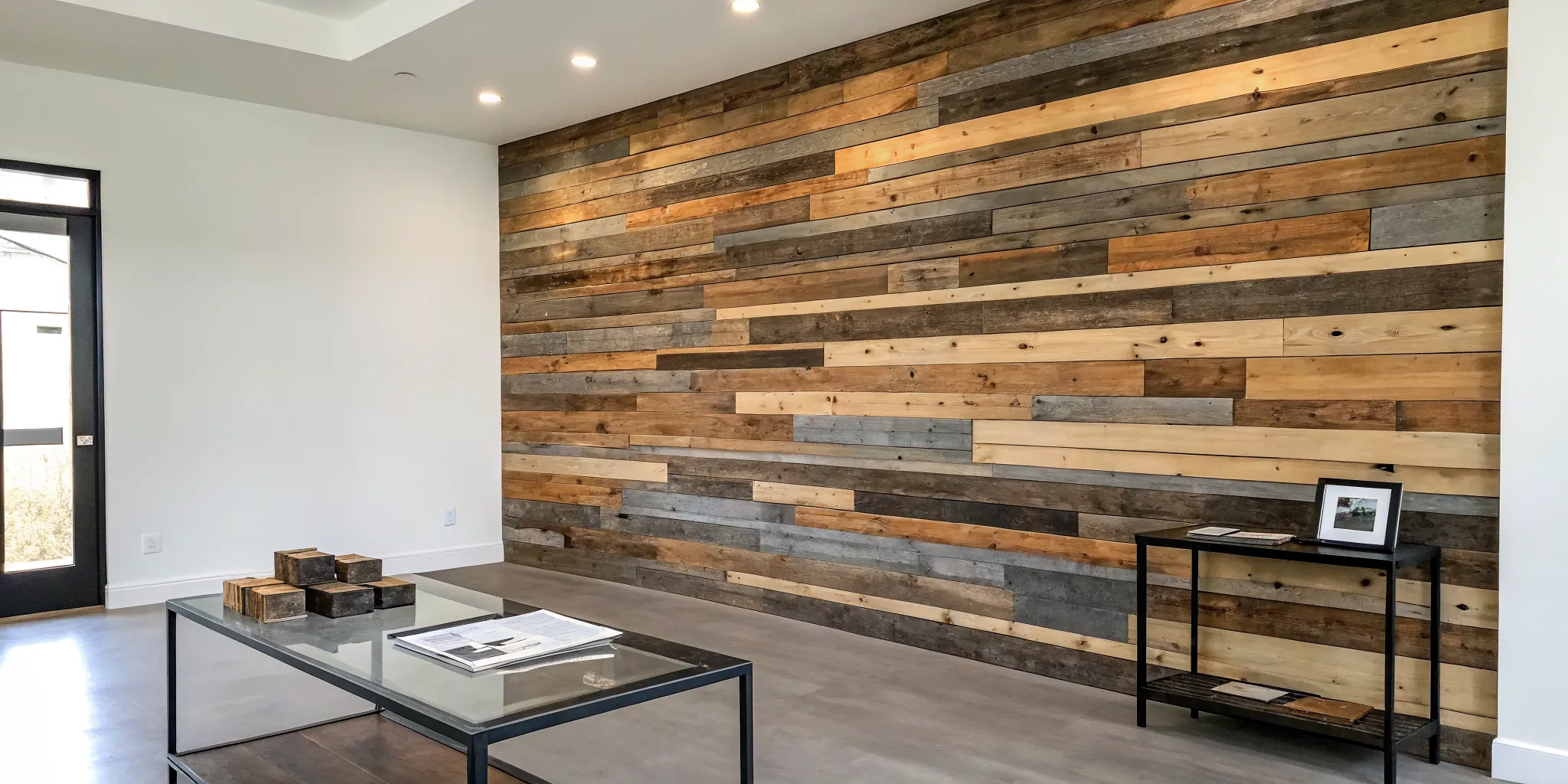
The price of reclaimed wood reflects its journey. You aren’t just buying lumber; you’re investing in a piece of history that has been carefully salvaged, milled, and prepared for its new life in your home. Factors like the wood’s species, its origin story, and the labor involved in sourcing it all contribute to its value. When you’re trying to determine the reclaimed wood for accent wall cost, it helps to understand what you’re paying for. This guide explains the variables that shape the price, so you can appreciate the quality and character behind every plank you choose.
Key Takeaways
- Plan for Three Main Costs: A realistic budget for your accent wall includes the wood itself (typically $10 to $20 per square foot), professional installation fees if you hire a contractor, and any materials for wall prep or finishing.
- Understand What Drives the Price: The cost of reclaimed wood reflects its unique journey and quality. Factors like the wood species, its rarity, the character grade, and the labor-intensive sourcing process all contribute to its value.
- Make Smart Choices to Manage Your Budget: You can control costs by sourcing from a reputable, local supplier to save on shipping. Also, be sure to acclimate the wood in your home before installation and order extra material to prevent costly delays or reorders.
How Much Does a Reclaimed Wood Accent Wall Cost?
Budgeting for a reclaimed wood accent wall is more straightforward than you might think. The total price comes down to three main factors: the cost of the wood itself, whether you install it yourself or hire a professional, and the size of your wall. Breaking down these costs will help you create a realistic budget for a feature wall that brings timeless character into your home. Let's look at what you can expect to spend.
Material Costs Per Square Foot
When you're budgeting for materials, you can expect authentic reclaimed wood to cost between $10 and $20 per square foot. Some particularly rare or historically significant woods might go for $25 or more per square foot. This price range reflects the wood's unique story, character, and the careful process of salvaging it. Unlike new lumber, each reclaimed plank has a past, which adds to its value and beauty.
Our siding and paneling options, for example, carry visible marks from decades of use on old barns and fences. This gives each piece a one-of-a-kind texture and tone that you just can't replicate with new wood. The cost covers not just the material, but the history embedded within it.
Installation: DIY or Hire a Pro?
Once you have your wood, the next cost to consider is installation. If you're handy and comfortable with home projects, you can definitely install the accent wall yourself using construction adhesive and small finishing nails. This is a great way to save on labor costs and feel a deeper connection to your project.
However, for a flawless finish, especially on larger walls or with intricate patterns, hiring a professional is a smart investment. Professional installation for reclaimed wood typically runs from $5 to $10 per square foot. The cost is slightly higher than for standard materials because reclaimed planks require more skill to work with. A good contractor will know how to handle the wood's unique variations to create a beautiful, seamless result.
Sample Project Costs by Wall Size
To put it all together, let's imagine you're creating an accent wall that is 8 feet tall and 12 feet wide, for a total of 96 square feet. Using our estimates, the material costs could range from $960 to $1,920. If you hire a professional for installation, you can add another $480 to $960 to your budget. This brings the total estimated project cost to between $1,440 and $2,880.
Of course, this is just an example. The final price will depend on the specific wood you choose and local labor rates. The best way to get an accurate number is to measure your space and get a quote for the materials. Learning about our story and how we source our wood can also help you appreciate the value behind every plank.
What Affects the Price of Reclaimed Wood?
When you’re budgeting for a reclaimed wood project, you’re paying for more than just lumber; you’re investing in a piece of history. The final cost depends on several key factors, from the wood’s origin story to the hands that will install it. Understanding these variables will help you plan your project budget accurately and choose the perfect materials for your space. Let's walk through the main elements that shape the price tag of these beautiful, storied materials.
Wood Species and Grade
The type of wood you choose is one of the biggest factors in its price. Common species like oak or pine salvaged from old barns are generally more accessible and affordable. On the other hand, rarer woods like American Chestnut, which was nearly wiped out by a blight, are much harder to find and therefore command a higher price. You can expect authentic reclaimed wood to cost between $10 and $20 per square foot, but some rare types can climb to $25 or more. The wood’s grade also plays a role. A higher grade often means the wood has a more desirable patina, fewer defects, and more consistent character, which adds to its value.
Sourcing, Authenticity, and Availability
The journey of reclaimed wood from an old structure to your living room is a labor-intensive process. Carefully deconstructing a barn, removing nails, and milling the lumber all add to the cost. The wood’s authenticity is key. True reclaimed wood has a story, which is why it’s important to work with a supplier who can tell you where your materials came from. Some suppliers also offer wood with FSC certification, which verifies it was sourced responsibly. This certification provides peace of mind that you're getting a genuinely sustainable product, and it’s a factor that contributes to the overall price.
Design Complexity and Installation
Reclaimed wood requires a bit more finesse during installation compared to new lumber. The boards can be irregular in shape and thickness, and they need to be handled carefully to preserve their unique surface character. Because of this, professionals often charge more for the job. The cost to install reclaimed wood typically runs from $5 to $10 per square foot. Your design will also influence the final cost. A straightforward accent wall will be less expensive to install than a complex herringbone pattern or a design that requires many precise cuts. The more intricate your vision, the more time and skill it will take to bring it to life.
Plan for Waste and Overage
When working with reclaimed wood, it’s smart to plan for a bit of overage. Since these materials have lived a long life, some pieces may have cracks, rot, or other imperfections that make them unusable for your specific project. A good rule of thumb is to order about 20% to 30% more material than your measurements call for. This ensures you’ll have plenty of quality pieces to work with and won’t have to pause your project to order more. Factoring this extra material into your initial budget will save you from unexpected costs and delays down the road, making for a much smoother installation process.
Comparing Prices by Wood Type
The type of wood you choose is one of the biggest factors in your accent wall's final cost. Each species has a unique story, grain pattern, and color profile, which all influence its price. While these figures are a great starting point for your budget, remember that prices can shift based on the wood's grade, your location, and the specific supplier. Here’s a look at some common reclaimed wood options and what you can generally expect to pay for them.
Barn Wood
Barn wood is what most people picture when they think of a rustic accent wall, and for good reason. Sourced from structures that are often over a century old, this wood brings an unmatched level of authenticity and character to a room. Its weathered texture and rich patina tell a story that new materials just can't replicate. You can find beautiful siding and paneling options perfect for this look. In terms of cost, expect to budget around $10 to $12 per square foot. This makes it a popular and accessible choice for achieving that classic, time-worn aesthetic in your home.
Reclaimed Oak
If you’re looking for something with timeless strength and a classic appearance, reclaimed oak is a fantastic choice. It’s known for its durability and prominent grain patterns, adding a sense of sturdiness and elegance to any space. Oak works beautifully not just for walls but also for more structural elements like reclaimed beams. Because of its density and desirability, reclaimed oak typically falls into a mid-range price point. You can expect to see prices around $11 to $13 per square foot, making it a solid investment for a durable and sophisticated finish that will last for generations.
Reclaimed Pine
Reclaimed pine is celebrated for its warmth and distinctive character. It often features nail holes, knots, and beautiful variations in color that give it a cozy, lived-in feel. As a softwood, it’s generally one of the more affordable reclaimed options, making it an excellent choice if you're working with a tighter budget but don't want to sacrifice character. The story behind where the wood comes from is part of its charm, which is why we love to share our story of sourcing local materials. Depending on the grade and specific history, you can often find reclaimed pine in a lower price range compared to hardwoods like oak.
Eastern Mix and Tropical Hardwoods
For a more specific or exotic look, you might come across other wood types like Eastern mixes or tropical hardwoods. An Eastern mix, which could include woods like hemlock and spruce, offers a varied texture and color palette, often priced around $11 to $12 per square foot. More exotic options like California Redwood or tropical hardwoods will sit at the higher end of the price spectrum, typically ranging from $13 to $15 per square foot or more. These woods are usually chosen for very specific design goals, but it's always worth considering how local sourcing can impact both your budget and your project's story.
What Other Costs Should You Budget For?
The price of the wood itself is the biggest part of your budget, but it's not the only cost to consider. To make sure your project goes smoothly and your accent wall looks amazing for years to come, you'll need to account for a few other things. These include preparing your wall for installation, giving the wood time to acclimate, deciding on any finishes or sealants, and planning for long-term care. Factoring these items into your budget from the start helps prevent surprise expenses and ensures you have everything you need to get the job done right.
Prepare Your Wall
Before you can even think about attaching a single plank, your wall needs to be ready. A successful installation starts with a clean, dry, and flat surface. Start by removing everything from the wall, including outlet covers, light switch plates, and any existing trim or baseboards. If there are any significant bumps or holes, you’ll want to patch and sand them down to create a smooth canvas. A little bit of prep work goes a long way in preventing installation headaches. This step ensures your beautiful reclaimed wood planks lie flat and fit together perfectly, giving you that professional, seamless look you’re after.
Acclimation: Why Skipping This Step Costs You More
This might be the most important step you take after your wood arrives. Before installation, you need to let the planks acclimate to the room's environment. This means laying them out in the space where they'll be installed for at least 48 to 72 hours. Wood is a natural material that expands and contracts with changes in temperature and humidity. Giving it time to adjust prevents future problems like gapping or warping after installation. Skipping this step can lead to costly repairs down the road. Think of it as letting the wood settle into its new home before it becomes a permanent feature. It’s a simple, free step that protects the investment you’ve made in your siding and paneling.
Finishes, Sealants, and Treatments
Most reclaimed wood arrives in its natural, unfinished state, which allows its authentic character to shine. You can absolutely install it as-is for a rustic, textured look. However, if your accent wall is in a high-traffic area, a kitchen, or a bathroom, you might want to add a sealant for protection. A clear, matte-finish sealant or wax can protect the wood from moisture and wear without altering its appearance too much. The cost of these materials is relatively low, but it's an important budget line item to consider. Applying a finish is a personal choice that depends on your lifestyle and the look you want to achieve.
Ongoing Maintenance
The good news is that a reclaimed wood accent wall is surprisingly low-maintenance. The main task is simply keeping it clean. Regular dusting with a soft cloth or a vacuum cleaner brush attachment will prevent dust from building up in the wood's natural grooves and textures. If you’ve sealed your wall, you can occasionally wipe it down with a slightly damp cloth to handle any smudges or spots. With just a little bit of care, your accent wall will continue to be a stunning focal point in your home for many years, telling its unique story through its timeless beauty.
How to Find the Right Wood for Your Budget
Creating a stunning reclaimed wood accent wall doesn't have to break the bank. While the price of reclaimed wood can vary, a thoughtful approach to planning will help you manage costs without compromising on the final look. The key is to be strategic about where you spend and where you can save. By making informed decisions about the type of wood, your supplier, and the project's scope, you can create a beautiful feature that honors both your design vision and your budget.
Finding the right balance starts with understanding what drives costs and how your choices impact the bottom line. From matching the wood to your home's style to buying from a local source, every decision plays a role. We'll walk through some practical steps you can take to get the most value from your investment. With a little bit of planning, you can source the perfect materials for a wall that tells a story, just like the wood itself. Our story is rooted in finding these materials and bringing them to homes like yours.
Match Wood Type to Your Design Style
Your design vision is the best starting point for choosing a wood that fits your budget. Are you aiming for a rustic farmhouse feel, a sleek modern look, or something in between? Different wood species and finishes align with different styles, and their prices can vary significantly. For example, a more common species like reclaimed pine often comes at a lower price point than rarer hardwoods.
Deciding on a color palette and overall style will help you narrow down your options. Reclaimed wood has a unique ability to settle into a space as if it were always meant to be there, so don't be afraid to mix styles. A rustic wood can add warmth and texture to a contemporary room. Browse different types of siding and paneling to see how different tones and textures can complement your existing decor and help you find a look you love within your price range.
Avoid Common Budgeting Mistakes
A few simple missteps can quickly inflate the cost of your project. One of the most common yet costly mistakes is failing to acclimate your wood. Before installation, you must let the planks sit in the room where they will be installed for several days. This allows the wood to adjust to your home's temperature and humidity, preventing it from shrinking or warping after it's on the wall. Skipping this step can lead to gaps and damage that are expensive to fix later.
Another pitfall is inaccurate measuring. Always measure your wall at least twice and account for an extra 10% to 15% for cuts and waste. This ensures you buy the right amount of material the first time, avoiding costly last-minute orders and extra shipping fees. Properly preparing your wall by cleaning it and making any necessary repairs will also protect your investment and ensure a smooth installation.
Choose a Reputable Supplier
Where you get your wood matters just as much as the wood itself. A reputable supplier is your partner in ensuring the quality, authenticity, and safety of your materials. While a low price from an unvetted source might seem tempting, it could come with hidden problems like pests, rot, or improper drying, which will cost you more in the long run. A trustworthy supplier is transparent about where their wood comes from and how it has been processed.
Look for suppliers who kiln-dry their wood to eliminate moisture and pests. Ask about their story and sourcing practices; a passionate supplier will be happy to share the history of their materials. At Wood Crafting, we take pride in our process of salvaging wood from historic structures in the Northeast and Midwest. Choosing a supplier committed to quality gives you peace of mind that you're investing in a product that is both beautiful and built to last.
Buy Local to Cut Shipping Costs
Wood is heavy, and shipping it across the country can add a significant amount to your total project cost. One of the easiest ways to manage your budget is to source your materials from a local or regional supplier. By doing so, you can drastically reduce or even eliminate freight charges, putting more of your money toward the wood itself. For builders, designers, and homeowners in the Northeast and Midwest, working with us means you get access to high-quality reclaimed wood without the hefty shipping fees.
Beyond the cost savings, buying local offers more predictable timelines and a stable supply chain. You can often visit the supplier to see the wood in person, ensuring it’s exactly what you want. This direct connection helps you make a more confident purchase while supporting a business in your community. It’s a practical choice that benefits your budget and your project schedule.
Select the Right Grade for Your Project
With reclaimed wood, "grade" refers to its character. It’s not about good versus bad but about the texture, markings, and overall appearance. Some planks have a cleaner, more uniform look, while others are more rustic, with prominent nail holes, saw marks, and color variations. These unique imperfections are what give reclaimed wood its charm, and understanding them can help you find the right fit for your budget.
Generally, wood with more rustic character can be more affordable than cleaner, more consistent grades. If your design embraces a weathered, historic feel, you may be able to choose a less expensive grade that perfectly suits your aesthetic. Talk to your supplier about the look you’re going for. They can guide you to a grade that matches your style and price point, whether it's for wall paneling or statement reclaimed beams.
Frequently Asked Questions
Is reclaimed wood really more expensive than new wood? Yes, authentic reclaimed wood typically has a higher price per square foot than new lumber. The cost reflects the intensive labor required to salvage the wood from old structures, carefully remove nails, and mill it for a new life. You are not just buying wood; you are investing in a piece of history with a unique character and story that simply cannot be manufactured.
Can I install a reclaimed wood wall myself to save money? You absolutely can, and it’s a great way to reduce your total project cost. For a straightforward accent wall, the process usually involves construction adhesive and some finishing nails. However, if you are planning a more complex design like a herringbone pattern or covering a very large wall, hiring a professional is a wise choice. They have the experience to handle the natural variations in reclaimed planks, ensuring a beautiful and seamless result.
Why do I need to buy extra wood? It feels like a waste of money. Planning for overage, typically about 15% to 20% extra, is one of the smartest moves you can make. Reclaimed wood has lived a full life, so some pieces will have cracks or knots that make them unsuitable for certain cuts. Having extra material on hand ensures you won’t have to pause your project to order more, which could involve costly shipping fees and delays. Think of it as project insurance that guarantees a smoother installation.
What’s the most important step I shouldn’t skip when installing my wall? The most critical step, which costs nothing but time, is acclimation. You must let the wood planks rest inside the room where they will be installed for at least 48 to 72 hours before you begin. This allows the wood to adjust to your home's specific temperature and humidity, which prevents the planks from shrinking, gapping, or warping after they are on the wall. Skipping this can lead to expensive repairs later.
How do I choose a wood that fits my budget without sacrificing style? Start by defining the look you want. Rustic, weathered barn wood is often more affordable than rarer hardwoods like American Chestnut. Don't be afraid to choose a grade with more character, like visible nail holes or saw marks, as this can be more budget-friendly and add to the wall's authentic charm. Sourcing your wood from a local supplier is another great way to save significantly on shipping costs.