
Reclaimed Wood Siding: Exterior Profiles and Guide
Salvaged barn board siding offers a weather-worn look that new lumber cannot replicate in a lifetime. This material brings the authentic history of the Northeast to modern exterior designs while providing lasting durability.
Request a Quote for Your Reclaimed Wood Siding Project
Reclaimed wood siding is a tough and real outer wood saved from old buildings like barns and fences that provides a look new wood cannot match. This real wood comes from old-growth trees and shows its history through checking, nail holes, and natural wear that happened over many years in the Northeast. Architects and builders pick these boards for large projects because they offer a green siding option that supports a circular economy while saving our local history. Read our Reclaimed Barn Board Siding: The Complete Specification Guide for facts or request a project-specific quote based on the variety and profile you need.
Picking a good milling style is the first step toward a good exterior setup. Here is how each profile shapes the final look and how it handles water on your walls.
Exterior Reclaimed Siding Profiles: Plain, Rabbeted Bevel, and T&G Options
Choosing the right profile for your reclaimed wood siding is a key step for any design project. The board shape affects how the wood sheds water and how the final wall looks. Wood Crafting offers several styles to suit different needs, from rustic barns to modern homes. All of our wood is 100% real salvaged lumber from old barns and horse corrals. Most boards come in a thickness between 3/4 inch and 1 inch. This size gives the wood great strength and a long life on the outside of the building. It also helps in keeping the deep, old look of the wood.
Plain Profile Siding
The plain profile is a common choice for those who want a simple, honest look. These boards are milled with straight edges. This allows for a flush side-to-side setup on the wall. Builders often use this style for old-style vertical or side-to-side walls where the wood's color is the main focus. It is often sourced from barn walls in the Northeast and Midwest. Because the edges do not overlap, builders often use nails that you can see to secure each piece. Stainless steel nails or screws are best to prevent rust marks on the wood. You can find more details on this layout in our complete spec guide for reclaimed barn board siding.
Rabbeted Bevel and Channel Lap
To shield the wall from rain, many experts choose a rabbeted bevel or channel lap profile. These styles create an overlap that sheds water away from the house. The rabbeted bevel profile looks like the old clapboard style seen on historic homes in the Hudson Valley. It creates a clear shadow line that adds depth to the wall. Channel lap siding, or shiplap, uses a stepped overlap. This design creates a shield against the weather while keeping the wall surface mostly flat. Our Mixed Brown Board type offers the widest choice of these lap profiles for custom builds. These boards often include species like Eastern White Pine and Hemlock.
Tongue and Groove Micro Bevel
The tongue and groove (T&G) profile is a top choice for a clean, tight-fit finish. These boards fit together to create a smooth and strong surface. Many of our T&G boards include a micro-bevel. This small notch defines the joint between each board. It also helps hide how the wood moves when the local weather changes. One big plus of T&G siding is the ability to use blind nailing. This method hides the nails inside the joint for a clean look. It is a great option for modern home and business projects that need a high-end feel with no seen nails. This profile is common for Gray Barn Board from Eastern Canada.
Board and Batten Vertical Siding
Board and batten is a vertical siding method that uses wide boards and narrow strips. The strips cover the seams where the large boards meet. This style is a classic part of old barn design. It provides a strong vertical line that can make a building look tall and grand. This layout is good at handling rain. The strips protect the joints from direct water and wind. We offer this profile in many types, such as our Reclaimed Gray Barn Board. This wood brings a real story and a natural look to any new build project. It is often picked by experts for its bold, rustic feel.
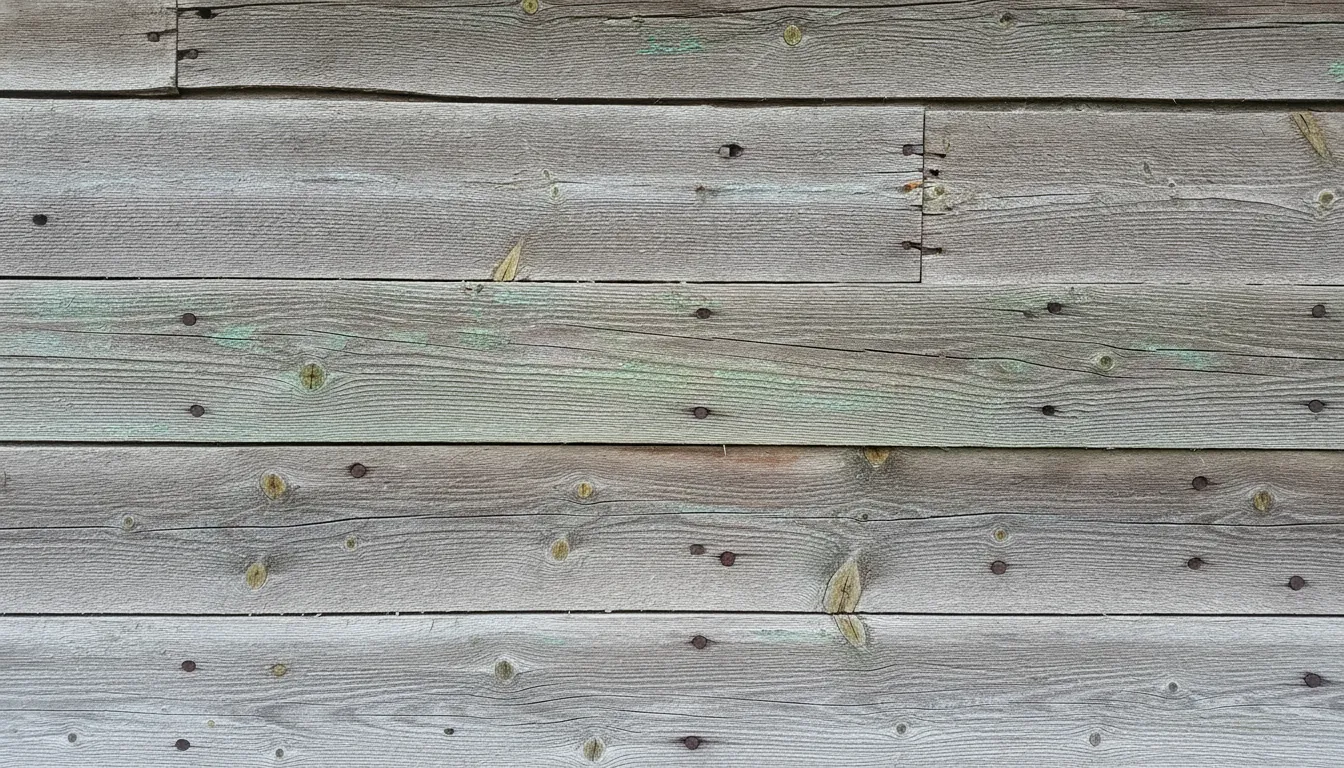
Reclaimed wood siding comes in several distinct profiles. Plain edge boards offer a flush, straightforward look with visible nail installation. Rabbeted bevel and channel lap profiles create rain-shedding overlaps with shadow lines. Tongue and groove boards provide a smooth, tight finish with hidden blind nailing. Board and batten delivers a bold vertical look with weather-resistant seams.
Barn Board vs Corral Board: Which Material Is Best for Your Exterior Cladding?
Picking the right old wood is the first step for your reclaimed wood siding task. Both barn board and corral board have a deep past, but they offer unique traits. Your choice depends on the color and look you want for your build. You should also think about how the wood was used before. This guide helps builders choose the best wood for custom homes in the Northeast.
The Six Types of Reclaimed Barn Board
Barn board comes from the walls and roofs of old barns in the Northeast and Midwest. These boards protected barns for many years, which gave them an aged look. Wood Crafting offers six clear barn board types to match your goals. Red Barn Board and Faded Red offer classic farm tones. Reclaimed Gray Barn and White Reclaimed provide neutral looks for new designs. Mixed Brown Board and Wire Brushed types show the deep grain of the wood. These boards often consist of species like Eastern White Pine, Hemlock, Spruce, and White Oak.
Each type has its own aging pattern. Boards from the sunny side of a barn look different than those in the shade. Most barn boards are about 3/4 inch thick. They give a steady surface for outer walls because they have already spent years outside. This old-growth wood is dense and resists rot better than new wood. Builders often use these boards for siding and trim. They give an old feel that new wood cannot match. You can see these boards in many fine homes across the Hudson Valley.
Traits of Gray Corral Board
Corral board has a past that is not like barn wood. It comes from old livestock fences and horse corrals. This wood shows more wear from animals and the weather. Gray corral board features bolt holes and marks from animal contact. These boards often show deep cracks, or checking, from being out in the open. Because they were used for fences, they often have more size changes than barn boards. You might find thicker boards in some batches.
The aging on corral board is often more extreme. These boards faced wind, rain, and sun from all sides. They also had contact with the ground and cows. This makes them a top choice for a rustic look on your home or office. The bolt holes add a bold character to the siding. Builders must plan for these marks when they set up the layout for a project. This wood is perfect for clients who want a rugged look that stands out.
Technical Selection for Your Siding Project
When you pick a wood, think about the final look and the setup needs. Barn boards offer more color choices and a smoother feel. Corral boards give you more grain and raw character. Both types are 100% reclaimed and show the marks of time. To learn more about styles and grades, read our complete specification guide for reclaimed barn board siding. It helps you pick the best style for your next build.
Builders should check the batch quality before they start. Reclaimed wood has natural changes in size and color. This is part of its charm, but it needs careful plans. You should store the wood off the ground and let it adjust to the local air. This helps keep the wood from moving after you install it. Good drainage is also key to making your siding last for many years. Choosing the right wood ensures a great and strong outer layer for any project.
| Feature | Barn Board | Corral Board |
|---|---|---|
| Source | Barn walls and roofs | Livestock and horse fencing |
| Species | Pine, Hemlock, Spruce, Oak | Regional softwoods |
| Thickness | Standard 3/4 inch | 3/4 inch to 1 inch plus |
| Appearance | Six colors (Red, Gray, Brown) | Naturally weathered gray |
| Unique Marks | Nail holes and saw marks | Bolt holes and animal wear |
| Weathering | Aging on one side | Heavy cracks on both sides |
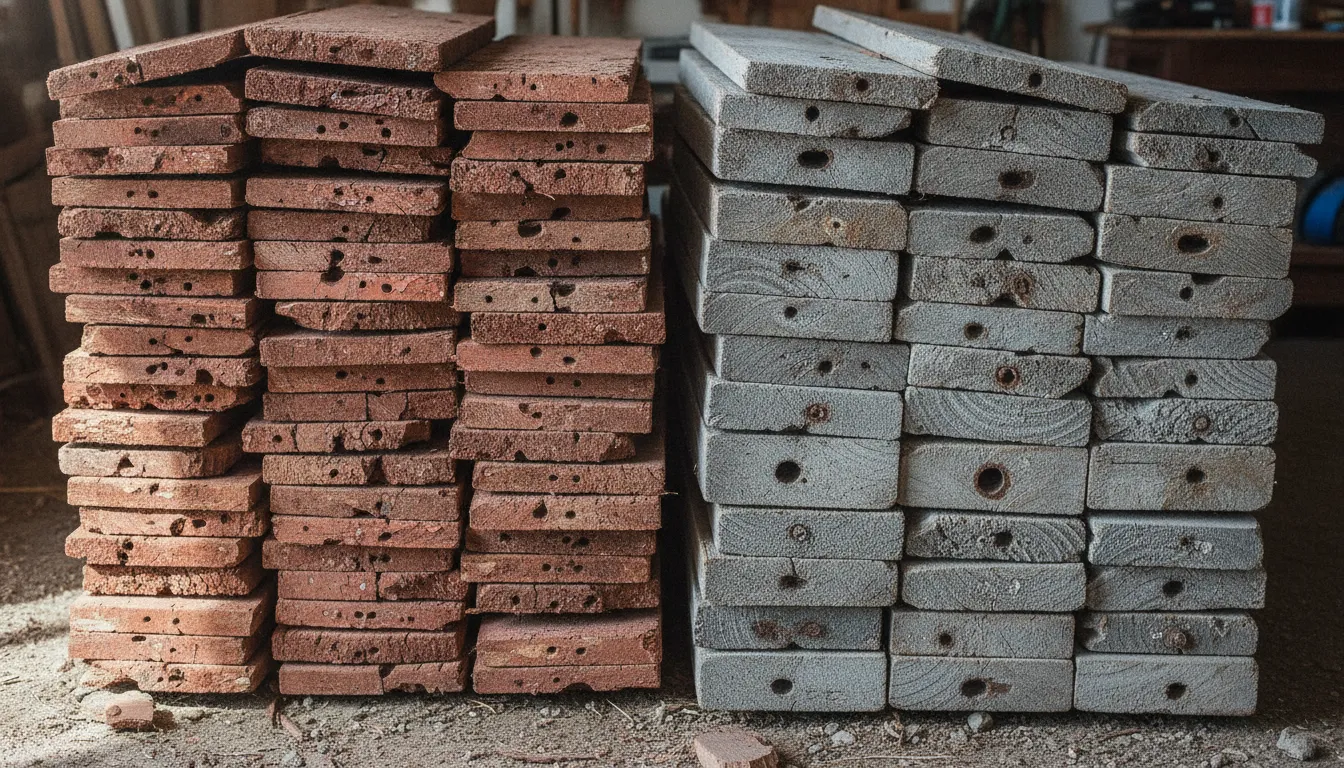
Barn board offers more color variety and smoother surfaces with visible nail holes from agricultural use. Corral board shows heavier weathering, deep checking, and bolt holes from livestock fence use. Both are 100% salvaged lumber sourced from the Northeast and Midwest, and each brings distinct character to exterior cladding projects.
What Are the Key Moisture and Finish Considerations for Exterior Reclaimed Wood?
Outer reclaimed wood siding needs the right care to last for a long time. When you use salvaged wood for a home or office, you must think about how it handles the air and the sun. These boards come from old barns and fences where they sat for a hundred years or more.
Because of this, they have a very tight grain that makes them strong. But you still need to follow a few steps to make sure the wood stays in good shape after you put it on a wall.
Managing Moisture and Wood Settling
Before you start fixing the wood to a wall, you must manage its moisture level. Salvaged boards have spent years in different states of wet and dry. You need to let the wood settle, or adjust, to the air at your project site.
This step lowers the risk that the wood will move, warp, or crack once it is in place. Builders should store all guide for reclaimed wood siding off the wet ground. Keep the boards under a cover but make sure air can flow around them. This helps the wood reach a steady state that matches the local air before you nail it down.
Prep Tiers and Project Readiness
We offer three tiers of wood prep to fit your project's needs and budget. Choosing the right tier depends on how much work your crew can do on the site and how fast you need the wood.
- As-is: These boards have their first dirt and old nails. This is the lowest cost tier but needs a lot of prep work.
- De-nailed: We pull out the nails and wash the boards. These are ready for you to fix to the wall.
- Power-washed: This is our best tier. The wood is very clean but still has its old character and patina.
This tier choice is a key part of your project plan. High-end homes often use the power-washed tier for the best look. Keep in mind that more prep work can mean a longer wait for your wood to ship.
You should talk to your team about lead times and project dates when you pick a tier. Each tier has a different cost, so checking your budget before you buy is a smart move for any builder.
Weathering and Finish Choices
Sun and rain will change the look of your wood over time. Natural UV rays will cause the wood to turn silver or gray. Many people love this look because it shows the age of the barn wood.
If you want to keep the first colors of the wood, you can use clear sealers. Look for sealers that have UV blocks to slow down the silvering. Reclaimed wood has a very dense grain because it comes from old-growth trees. This tight grain gives the wood great strength against rot.
Work by the USDA Forest Products Laboratory shows that old-growth wood is much stronger than new wood. To get the most life out of your siding, builders should use a vapor-open wall wrap and a rain-screen system.
A rain-screen creates a small gap behind the wood so water can drain out. This keeps the wall dry and stops rot from starting. Using these steps will make sure your exterior project looks great and stays strong for many decades.
Reclaimed wood siding requires moisture management before installation. Boards need to settle and adjust to local humidity levels. Three prep tiers are available: as-is, de-nailed, and power-washed. UV-blocking sealers help preserve the original color, while a rain-screen system prevents moisture damage behind the siding.
Installation Notes: What Contractors Need Before Ordering Salvaged Siding
Working with reclaimed wood siding needs a different mindset than using new lumber. Contractors must plan for the natural size shifts found in 100% genuine salvaged boards. This character is what makes reclaimed barn board siding so prized for high-end projects. Following these steps ensures a good setup that lasts for decades.
Pre-Install Handling
How you handle the wood before it goes on the wall matters as much as the nailing. All salvaged siding should be stored off the ground and under cover. It must stay in an open spot so air can move around the boards. This step prevents moisture buildup and helps the wood stay stable. Before the full order arrives, we suggest that you check the batch match to ensure the material meets your project goals.
Proper wood settling is also key. Reclaimed wood needs time to adjust to your local area. This helps stop movement like shrinking or swelling after the boards are put up. Most experts suggest a week or more for the wood to settle. This practice is part of the complete specification guide for reclaimed barn board siding and is standard for Northeast builds.
Technical Siding Steps
- Install a weather barrier. Use a vapor-permeable weather barrier behind the siding. This layer is required by building codes and keeps the structure dry while letting moisture escape.
- Plan for size shifts. Reclaimed wood has natural size shifts in width and thickness. Account for these changes in your layout planning to keep lines straight and even across the wall.
- Choose your fasteners. Use exposed nails or screws for Plain profiles. Blind nailing is an option for Tongue and Groove boards. For corral board, keep in mind that larger bolt holes may need a different plan.
- Set expansion gaps. Leave proper gaps for wood movement. We suggest about a 1/8 inch gap at the ends of the boards. This stops buckling as the wood grows during humid months.
- Accept natural marks. Remember that nail holes and checking are part of the wood. These are traits of salvaged lumber, not defects. Define your limits for these marks before you start the job.
Final Details
Good drainage is the best way to protect your work. Use rain-screen details to keep water from sitting behind the boards. This is vital for the long-term health of any exterior cladding. Dense old-growth grain in reclaimed wood often resists rot better than new lumber, but it still needs to shed water. Following these steps helps keep the historic story of the wood on your new build.
Contractors must plan for natural size variation, install a vapor-permeable weather barrier, leave expansion gaps, and choose appropriate fasteners. Proper handling and storage before installation prevents warping and ensures a durable, long-lasting exterior cladding system.
What to Measure and Specify When Requesting a Quote for Reclaimed Siding?
Buying reclaimed wood siding is not like picking out new boards at a local store. Each batch of wood has a unique past and look. Because of this, we do not list fixed prices on our site. Instead, we give you a quote that fits your specific project needs. This helps us ensure you get the best match for your design and your budget.
Key Details for Your Project Quote
To give you a precise price, we need a few key facts about your job. First, you must find the total size of the area you want to cover. We also need to know which product type you want, such as Red Barn Board or Gray Corral Board. You should pick a profile like Tongue and Groove or Rabbeted Bevel. Finally, tell us the prep level you need and your delivery site.
Reclaimed wood varies by batch and by the amount of work done. Lead times change based on what wood we have and the work needed to get it ready. Once we send a quote, the price stays valid for 30 days. This gives you time to finish your plans with your team. Giving these facts early helps us get your quote back to you fast.
Custom Milling and Expert Help
Some jobs have special needs that go beyond the usual specs. If you need custom milling or odd sizes, a standard quote might not fit. In these cases, we suggest you call us for a talk or visit our shop. You can see the wood in person and speak to our team about your goals. This ensures every board meets high standards for historic preservation on your build.
Our team works with builders and designers to solve tough siding problems. We can help you pick the right species and look for your site. If you have questions about technical details, read our complete specification guide for reclaimed barn board siding. We want to make sure your order fits well with the rest of your house or office.
How to Contact Our Team
Are you ready to start your project? You can reach us by phone at 845-373-8020 during our work hours. If you are in the Northeast, we invite you to visit our shop at 76 Main St., Millerton, NY 12546. Seeing the wood in person helps you see the real patina and history of each board. We are open Monday through Friday from 7 AM to 5 PM EST.
You can also use our online form to send us your project facts. We focus on big orders for custom homes and business sites. Our goal is to give you 100% real salvaged wood that tells a story. Whether you are building in the Hudson Valley or the Northeast, we are here to help you get the wood you need.
Frequently Asked Questions
What are the main drawbacks of using reclaimed wood siding?
Reclaimed wood siding often costs more than new lumber. This is because it takes a lot of work to find, clean, and mill the old boards. The wood will also have differences in size and color. Some boards might have nail holes or small cracks. You should also expect longer wait times. This is because each batch is unique and depends on what old barns are being taken down at the time.
Does reclaimed wood siding need to be sealed for outdoor use?
Yes, you should seal reclaimed wood for outdoor projects. A clear sealer with a UV blocker helps the wood keep its color longer. Without a sealer, the sun will turn the wood gray over time. Sealing also helps stop water from soaking into the boards. This makes the wood last much longer. For more details, you can read the complete specification guide for reclaimed barn board siding.
How do you manage size differences during siding installation?
Reclaimed boards often have different widths and thicknesses. Builders should sort the boards by size before they start work. It is best to plan the layout to mix these differences across the wall. This creates a natural and rustic look. You should also leave small gaps between the boards. This allows the wood to expand and shrink with the weather. Proper planning helps you avoid wasted material and ensures a strong, beautiful finish.
What is the typical lead time for a reclaimed siding order?
Lead times for reclaimed wood siding vary based on the project. The time depends on the wood type and the work needed, such as power washing or removing nails. Wood Crafting provides exact timelines for each project with every quote. These quotes are usually good for 30 days. To get a clear schedule for your build, it is best to request a quote early. This helps you keep your build project on track.
Ready to request a quote for your reclaimed wood siding?
Each day you wait to order your exterior siding is a day that your ideal reclaimed material might be sold to a different builder. Reclaimed wood is in limited supply with a unique history and look that is very hard to replace once the best batches are gone. Starting your quote now ensures you get the specific wood you want on a timeline that fits your project without any last minute stress.
Ready to request a quote for your reclaimed wood siding project? Call 845-373-8020 to talk to a materials expert about your salvaged wood cladding options and get a custom price for your next building project today.