
What Are Hand-Hewn Beams? A Complete Guide
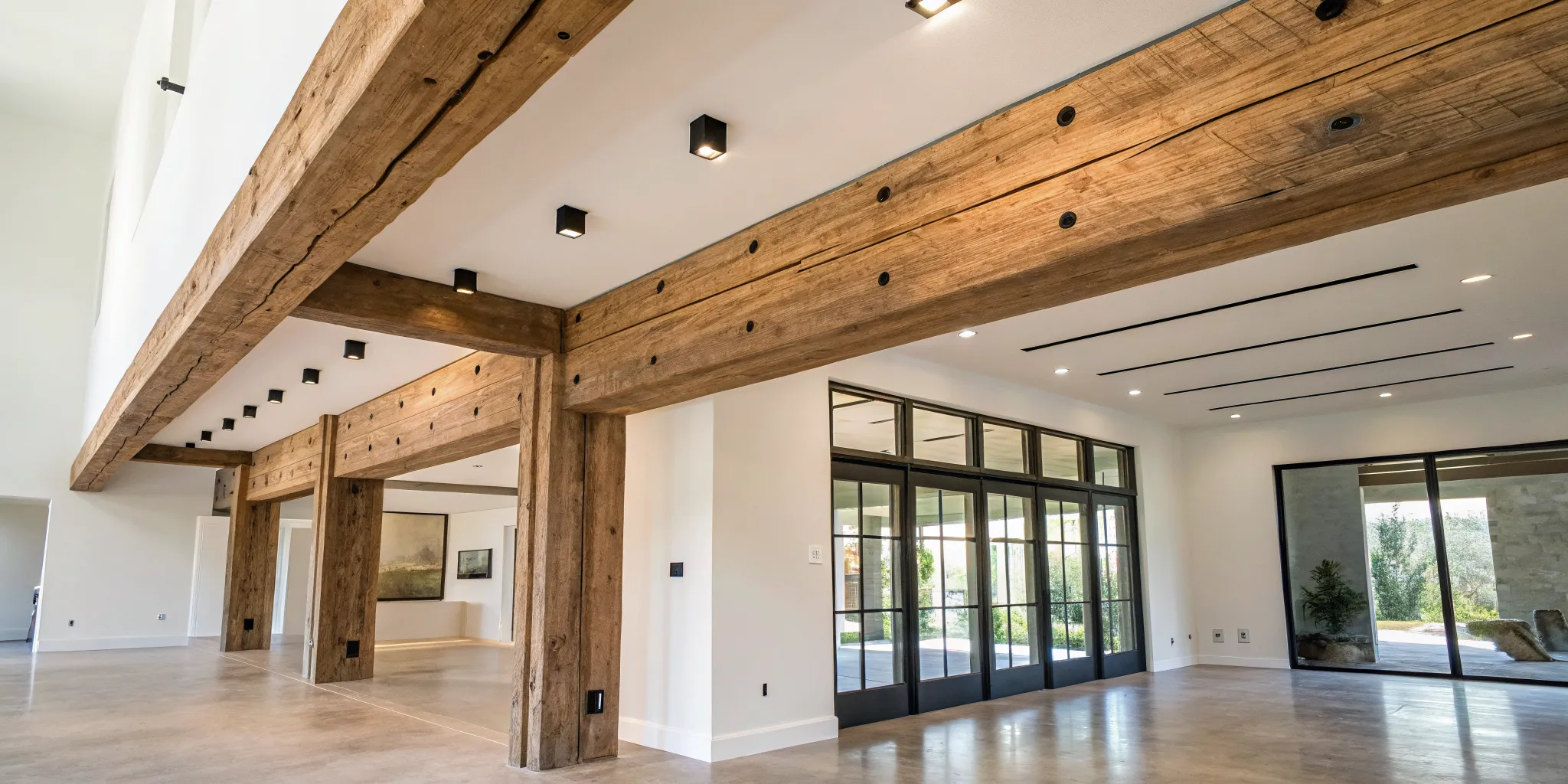
Creating a truly memorable space often comes down to a single, powerful focal point. It could be a piece of art, a stunning view, or an architectural feature that anchors the entire design. If you’re looking for that anchor, a hand-hewn beam is one of the most authentic and impactful choices you can make. But what are hand hewn beams, and what gives them this power? They are timbers that were painstakingly shaped by hand over a century ago, and their organic forms and rich patinas offer a visual texture that no modern material can replicate. Whether used as a structural support or a purely decorative element, they bring a sense of history and strength that can define a room.
Key Takeaways
- Look for the tool marks: The clearest sign of a genuine hand-hewn beam is its unique texture. The broad, sweeping marks from an artisan's axe or adze are what give these beams their unmatched character and prove they are authentic pieces of history.
- Use them for structure or style: Hand-hewn beams are design powerhouses. Integrate them as strong, load-bearing supports for a vaulted ceiling or use them as purely decorative elements, like a fireplace mantel, to add instant warmth and a compelling focal point.
- Partner with a reclamation expert: You won't find authentic hand-hewn beams at a big-box store. To get the real thing, seek out a specialized supplier who carefully salvages wood from historic structures, ensuring you get a quality beam with a verifiable story.
What Is a Hand-Hewn Beam?
At its core, a hand-hewn beam is a wooden beam that was shaped from a round log into a square or rectangular form using only hand tools. Before sawmills became common, this was simply how building materials were made. Craftsmen used axes and adzes to painstakingly chop and shave logs into usable timbers for barns, homes, and factories. What was once a practical necessity has become a sought-after design element, prized for its history and rustic beauty.
The tell-tale sign of a hand-hewn beam is its unique texture. You’ll see broad, sweeping axe marks and the subtle undulations of the wood grain, evidence of the person who shaped it centuries ago. Each chop mark tells a story, giving these beams a character that machine-cut lumber just can’t replicate. They bring a sense of strength, history, and artistry to any space they occupy, serving as a tangible connection to the past. When you incorporate one into your home, you're not just adding a structural or decorative element; you're installing a piece of history. These are the kinds of reclaimed beams we love to salvage and share, ensuring their stories continue for generations to come.
How They're Made: The Traditional Process
Creating a hand-hewn beam was a labor-intensive art form that required immense skill and strength. A craftsman would select a straight, sturdy log and begin the process of squaring it off. Using sharp hand tools like a broad hewing axe and an adze, they would meticulously work their way down the log. The goal was to transform a round, irregular piece of timber into a straight, flat-sided beam that could fit snugly into a structure. This wasn't about achieving machine-like perfection; it was about creating a functional, durable beam that honored the natural shape of the wood and the craftsman's skill.
Key Steps: Scoring, Chopping, and Shaping
The traditional hewing process involved a few key steps. First, the carpenter would "score" the log by making a series of deep, evenly spaced cuts along its length with an axe. Next, using a broad axe, they would chop away the wood between these score marks, a step sometimes called "juggling" or "notching." This removed large chunks of wood, getting the log closer to a square shape. Finally, the craftsman would use the broad axe or an adze to smooth the surface, creating the final flat plane and leaving behind the signature texture that makes these beams so recognizable today.
Reclaimed vs. New Hand-Hewn Beams
When you're looking for hand-hewn beams, you'll find two main types: reclaimed and new. New hand-hewn beams are crafted from fresh timber using traditional methods to replicate the old style. While they have a rustic look, they lack genuine age. Reclaimed hand-hewn beams, on the other hand, are the real deal. They are salvaged from old structures, most often barns and industrial buildings from the 1800s. These beams carry an authentic history that you can see and feel. The deep, rich patina, nail holes, and seasoned strength come from centuries of use, a story that can't be duplicated. Our entire company story is built on finding and preserving these incredible pieces of history.
The Story Behind Hand-Hewn Beams
Every hand-hewn beam has a story etched into its surface. Long before they became a sought-after element in modern design, these massive timbers were the backbone of construction, shaped by hand out of pure necessity. Understanding their journey from a forest log to a structural element helps us appreciate the history and character they bring into our homes today. The process was laborious, but it created beams with a unique texture and strength that simply can't be replicated by a machine. Their story is one of practicality, craftsmanship, and a revival that celebrates their timeless appeal.
From Practical Necessity to Rustic Artistry
Before sawmills, if you needed a sturdy, straight piece of wood to build a barn or a house, you had to make it yourself. The word "hew" literally means to chop or strike with a tool, and that’s exactly what builders did. They would start with a massive, round log and painstakingly shape it into a square or rectangular beam using only hand tools like a broad axe and an adze. Each swing of the axe left behind distinct marks, scores, and slices. This means that no two hand-hewn beams are ever identical. What was once a purely functional process resulted in a form of rustic artistry, giving each beam a unique personality that tells the story of the hands that shaped it.
The Shift to Modern Milling
The era of hand-hewing beams began to fade with the rise of the Industrial Revolution. By the early 1900s, steam- and water-powered sawmills had become widespread, capable of cutting logs into uniform beams with incredible speed and efficiency. A machine could do in minutes what would take a person hours or even days to accomplish by hand. As a result, hand-hewing became a much rarer skill. The perfectly straight lines and smooth surfaces of milled lumber became the new standard for construction, and the textured, hand-crafted beam was largely left in the past, preserved only in the old barns, factories, and homes it was built to support.
The Modern-Day Revival
Today, hand-hewn beams are experiencing a well-deserved comeback, not as a necessity, but as a celebrated design feature. The beams we love so much now are almost always reclaimed from those very structures built a century or more ago. Sourced from old barns, mills, and historic buildings, these timbers carry a rich history. Homeowners, designers, and builders seek out reclaimed beams for their spectacular beauty and the sense of warmth they bring to a space. Whether used as structural supports, ceiling accents, or a stunning fireplace mantel, they connect modern homes to the authentic craftsmanship of the past. Their enduring style proves that true quality never fades.
Why Choose Hand-Hewn Beams?
When you’re designing a space, some materials just have a story to tell. Hand-hewn beams are one of them. Choosing these beams for your project goes beyond just picking a building material; it’s about bringing a piece of history and unparalleled craftsmanship into your home or business. Unlike modern, mass-produced lumber, each hand-hewn beam carries the marks of its past, from the tools that shaped it to the century it spent supporting a barn.
This isn't just about aesthetics, though the visual impact is undeniable. These beams offer a combination of unique character, organic form, and proven strength that you simply can't replicate with new wood. They add a layer of warmth, texture, and authenticity that can ground an entire room, whether your style is rustic farmhouse or modern industrial. If you want to create a focal point that is both beautiful and meaningful, a hand-hewn beam is one of the most effective ways to do it. They connect your modern space to a rich, tangible past.
Unmatched Character and Patina
The first thing you’ll notice about a hand-hewn beam is its incredible character. Each beam is a one-of-a-kind piece, defined by the distinct marks, scores, and slices left by the artisan's axe or adze centuries ago. This rich texture, known as patina, tells the story of the wood's life and the hands that shaped it. You can see the history right on the surface. These imperfections are what make them perfect, adding a level of warmth and authenticity that new, uniform materials lack. When you incorporate our reclaimed beams into your design, you’re not just installing a support structure; you’re showcasing a piece of functional art that ensures your space is truly unique.
Unique, Organic Shapes
Before modern milling equipment, skilled workers transformed round logs into functional square beams using only hand tools. This traditional process meant that no two beams were perfectly identical. They retain a slightly uneven, organic shape that you won't find in today's machine-cut lumber. This subtle irregularity is part of their charm. It speaks to the human element in their creation and adds a soft, natural feel to a room. The gentle curves and imperfect lines stand in beautiful contrast to the sharp angles of modern construction, creating a space that feels both grounded and thoughtfully designed.
Lasting Strength and Historical Value
Most reclaimed hand-hewn beams are over a century old, salvaged from historic barns and agricultural structures. They were typically crafted from dense, old-growth timber that had matured slowly over decades, resulting in wood that is exceptionally strong and durable. These beams have already stood the test of time, proving their structural integrity for generations. By choosing a reclaimed beam, you are preserving a piece of history and giving it a new purpose. It’s a sustainable choice that honors the past and the incredible craftsmanship of a bygone era, which is a core part of our story and mission.
How to Use Hand-Hewn Beams in Your Design
Hand-hewn beams are incredibly versatile, bringing a sense of strength and history to any space they inhabit. Whether you’re aiming for a rustic farmhouse feel or an industrial-chic look, these timbers can serve both functional and aesthetic roles. The key is to understand their strengths and let their unique character guide your design choices. From holding up a roof to simply making a statement, here are a few ways you can incorporate hand-hewn beams into your project.
As Structural Support
Long before they were a design feature, hand-hewn beams were the backbone of homes and barns. Carpenters shaped these solid timbers by hand to create sturdy, long-lasting frames. You can use them in the same way today, integrating them as load-bearing elements in your construction or renovation. Imagine authentic reclaimed beams supporting a vaulted ceiling or forming the posts of a timber-framed porch. Using them structurally not only provides incredible strength but also grounds your home in history. Just be sure to work with a structural engineer to confirm the beam’s integrity and ensure it meets your project's specific load requirements.
As a Decorative Focal Point
You don’t need a structural reason to add a hand-hewn beam to your design. These timbers are often used as architectural focal points to bring warmth, texture, and a story into a room. A single beam across a ceiling can define a space, while a series of them can create a dramatic, rustic rhythm. They make for stunning fireplace mantels, with each axe mark and check telling a story of its past life. You can also use them to frame doorways or create a visual separation between open-concept areas. Paired with reclaimed siding and paneling, they create a cohesive design that feels both timeless and authentic.
The Faux Beam Alternative
In your research, you’ll likely come across faux beams. These are typically lightweight, hollow boxes made from polyurethane or new wood, designed to look like the real thing. They are often easier to install and can be a solution for spaces where weight is a concern. However, while faux beams mimic the look, they can’t replicate the genuine character of an authentic hand-hewn beam. A true reclaimed beam carries an unmatched patina, organic shape, and the tangible history of its origin. Choosing a real beam means you’re not just installing a feature; you’re preserving a piece of the past. It’s a choice between imitation and the real Our Story.
How to Source Authentic Hand-Hewn Beams
Finding authentic hand-hewn beams can feel like a treasure hunt, but it’s one of the most rewarding parts of a project. These beams bring a story and texture that simply can’t be replicated. Knowing what to look for will help you distinguish a true piece of history from a modern imitation. It all comes down to understanding how to spot genuine characteristics, what factors affect quality and price, and where to find a supplier you can trust. With the right approach, you can confidently select beams that will become the heart of your space.
How to Identify a Genuine Beam
A true hand-hewn beam was shaped from a round log into a square or rectangular timber using only hand tools. This practice was standard before sawmills became common in the 1800s. The most telling sign of an authentic beam is the presence of tool marks. Look closely for the distinct patterns left by an adze or a broad axe. These marks will appear as shallow, scooped-out cuts or broad, flat chops across the wood's surface. They won’t be uniform or perfectly smooth like the cuts from a modern saw. These imperfections are the signature of a craftsman shaping wood by hand, and they are what give each beam its unique character.
What to Consider for Quality and Cost
Because most reclaimed hand-hewn beams are well over 100 years old, they are considered a premium material. Their cost reflects their rarity and the incredible amount of skill it took to create them. Unlike mass-produced lumber, every single hand-hewn beam is one-of-a-kind. The unique combination of scores, slices, and notches from the original craftsman’s tools means no two beams will ever look exactly alike. When you select a hand-hewn beam, you’re not just buying wood; you’re investing in a durable, historical artifact that adds immense value and a compelling story to your project.
Finding a Reputable Supplier
You won’t find authentic hand-hewn beams at a big-box home improvement store. Their rarity means you’ll need to connect with a specialized lumber dealer who focuses on reclaimed materials. Reputable suppliers often find these high-quality beams by carefully deconstructing old barns, factories, and other historic structures. This careful salvaging process preserves the wood's integrity. At Wood Crafting, we source our reclaimed beams from centuries-old barns and agricultural buildings in the Northeast and Midwest. Learning about our story can give you a better sense of how we honor the past by giving these materials a new life in modern designs.
Frequently Asked Questions
Can I really use a century-old beam for structural support? Absolutely. Most reclaimed beams were originally cut from dense, old-growth trees, which results in wood that is often stronger and more stable than much of the new lumber available today. These beams have already proven their durability by supporting barns and factories for over a hundred years. The key is to work with a structural engineer who can assess the specific beam and confirm it meets the load requirements for your project.
Why should I choose a real reclaimed beam over a new or faux one? While new or faux beams can mimic the rustic look, they can't replicate the genuine story and character of an authentic reclaimed beam. A true hand-hewn beam carries a rich patina, with original nail holes, mortise pockets, and the distinct marks from the craftsman's axe. Choosing a real beam means you are installing a one-of-a-kind piece of history, not just a decorative object. It’s the difference between an imitation and an artifact.
What should I know before installing a hand-hewn beam? The main things to plan for are weight and shape. These are solid, heavy timbers, so you'll need to ensure you have a plan for lifting them into place safely. Also, their surfaces are not perfectly straight or uniform like modern lumber. This organic quality is part of their charm, but it means your contractor may need to make small adjustments during installation to ensure a good fit, especially when setting it into a wall or ceiling.
Do reclaimed beams require special care or maintenance? Once installed indoors, reclaimed beams are surprisingly low-maintenance. The wood is already aged and has settled, so it's very stable. For cleaning, a simple dusting or a wipe-down with a dry or slightly damp cloth is usually all that's needed to keep it looking great. It's best to avoid harsh chemical cleaners, as they can damage the wood's natural patina.
How do I pick the right beam for my space? Start by considering the beam's purpose and the scale of your room. If it's for structural support, your engineer will guide the size requirements. If it's decorative, think about proportion; a massive beam can overwhelm a small room, while a thin one might get lost in a large, vaulted space. Also, consider the character you want. Some beams have deep, rugged axe marks for a very rustic feel, while others are smoother. A good supplier can show you different options and share the unique history of each piece.