
Reclaimed Wood New York Connecticut Builders Guide
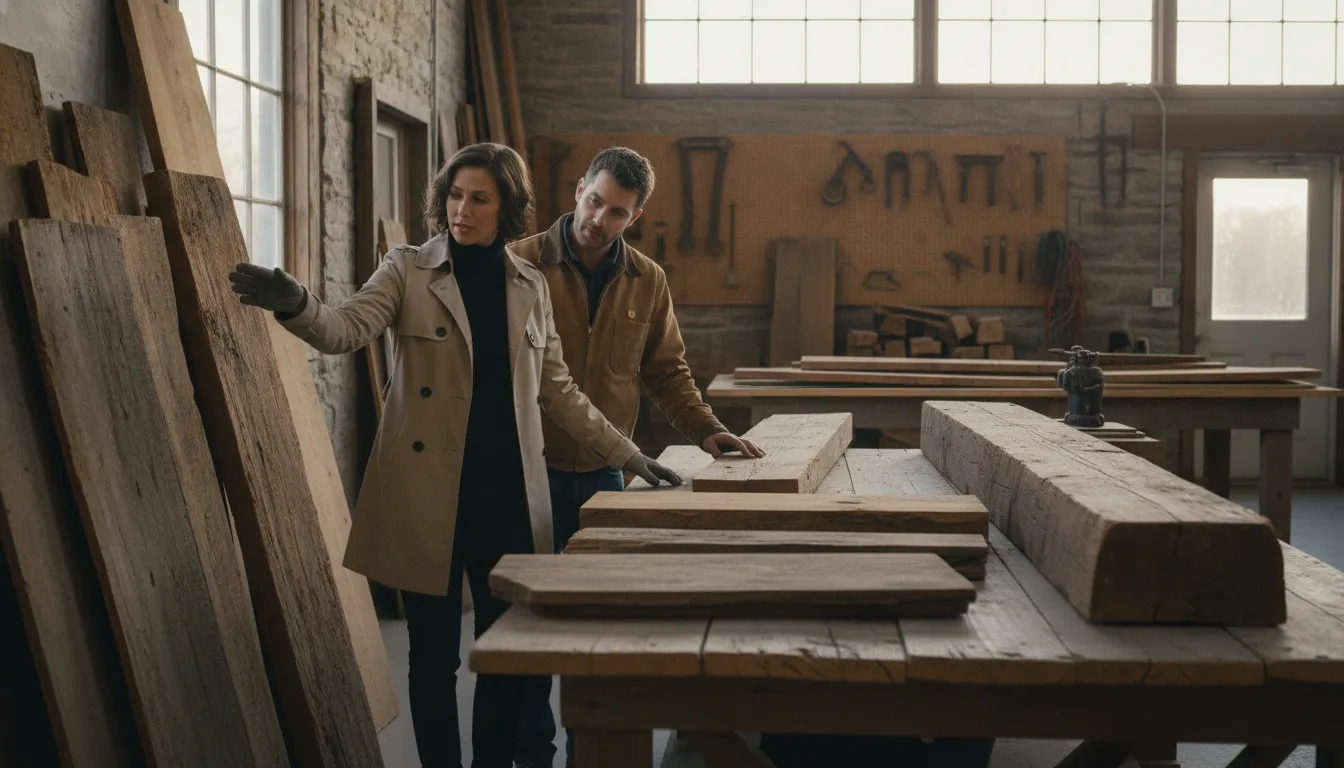
For a custom home, reclaimed wood is not a finish selected from a generic catalog. Species, source structure, patina, checking, wane, dimensions, and processing all affect whether the material fits the drawings. Regional access can make those questions easier to investigate. Availability and freight still require project-level confirmation.
For teams researching reclaimed wood new york connecticut builders, the practical starting point is a supplier that can explain source context. Material characteristics, processing options, and quote requirements before an order is placed. Wood Crafting works with 100% reclaimed materials sourced primarily across the Northeast, including salvaged barns and other historic structures.
Request a project quote with your intended application, approximate quantity, preferred character, and required dimensions.
Wood Crafting is based in Millerton, New York, and serves project teams throughout the Hudson Valley and broader Northeast. Its reclaimed barn board siding resource provides deeper product guidance. This regional guide focuses on how sourcing decisions develop from the first material conversation through quote review. The process begins with understanding where regional reclaimed wood comes from. It also requires knowing what that geography can, and cannot, tell you about a specific project.
How Reclaimed Wood New York and Connecticut Builders Can Plan a Project
Regional sourcing begins with the structure, not a catalog label. Wood Crafting salvages lumber from old barns, horse corrals, livestock fencing, agricultural outbuildings, water tanks, industrial structures, and historic commercial buildings. Those sources create the variation builders and architects expect from reclaimed material. Species, weathering, surface character, fastener marks, checking, wane, and color reflect prior use. The company guarantees 100% reclaimed materials, rather than mixing new wood into a reclaimed-looking product.
Where the material comes from
Wood Crafting is headquartered at 76 Main Street in Millerton, New York, in the Hudson Valley. Its documented Northeast sourcing corridor includes old barns in New York, Vermont, New Hampshire, and Massachusetts. The company also sources from the Midwest. This includes agricultural structures in Ohio, Pennsylvania, and Indiana, with some Eastern Canada sourcing for specific species and products. The broader network matters because a project's needs may be defined by species, profile, width, thickness, or surface character rather than by state boundary alone.
Wood Crafting maintains relationships with property owners for salvage rights and can support structure removal while supplying salvaged materials. That is a different model from simply purchasing generic used boards. The source structure and salvage process provide context for evaluating the material. It shows how the wood was exposed to weather and use. It also helps determine whether its character suits an interior finish, exterior cladding, paneling, or beam application. Teams seeking deeper background can review Wood Crafting's regional sourcing story.
Regional access is context, not a stock promise.
For reclaimed wood New York Connecticut builders, Millerton provides a regional point of contact. The location supports projects in the Hudson Valley, New York, Connecticut, and the broader Northeast. It does not mean a particular barn board color, species, profile, or quantity is guaranteed at a given moment. Reclaimed inventory depends on what has been salvaged, recovered, processed, and matched to a project brief.
Builders should therefore treat geography as one part of the sourcing conversation. Start with the intended application, approximate square footage or linear footage, desired species and patina, acceptable variation, profile, thickness, processing level, and schedule requirements. Then ask the supplier to confirm what can be matched for that project. For deeper material-selection guidance, see the reclaimed barn board siding specification guide. That resource addresses detailed siding considerations without assuming that a regional source automatically equals available stock.
Why Does Regional Sourcing Matter for Custom Home Builders?
For a custom home builder or architect-led team, regional sourcing is not simply a shorter route from supplier to jobsite. It provides a practical framework for evaluating where material came from. The prior use may explain its character and the project requirements that must be confirmed before specification. This context helps the design team treat reclaimed wood as a documented building material rather than generic distressed decor.
Provenance gives the design team useful material context
Wood Crafting sources salvaged lumber from old barns, horse corrals, livestock fencing, agricultural outbuildings, water tanks, industrial structures, and historic commercial buildings. Its documented Northeast sourcing corridor includes old barns in New York, Vermont, New Hampshire, and Massachusetts. Additional sourcing comes from the Midwest and, for some species and products, Eastern Canada. The company is headquartered in Millerton, New York, and serves project teams across the Hudson Valley and broader Northeast.
For a New York or Connecticut custom home, that regional position can make the sourcing conversation more specific. Ask whether the proposed material is appropriate for the intended application. Confirm which source structure category is documented, what species and dimensions are available, and whether the visible characteristics suit the design. Do not assume that regional location establishes a complete chain of custody, an exact barn history, or guaranteed availability. Those details require confirmation for the material being considered.
Reuse should be coordinated with the construction plan
Salvage and reuse also belong in the project waste discussion. The U.S. Environmental Protection Agency identifies buying used and recycled products, salvaging materials, and reusing existing materials as practices that can divert construction and demolition materials from disposal. It also notes that designing for adaptability, disassembly, and reuse can reduce waste and extend a building's useful life. These are planning principles, not an automatic certification or a guarantee of a particular LEED outcome. The EPA's construction and demolition guidance provides the relevant reuse framework.
In practice, the builder should document where reclaimed wood is intended to go, how much material the design requires, and what processing level is acceptable. Materials may be supplied as-is, de-nailed, or power washed, depending on project requirements. That choice affects appearance, handling, sequencing, and coordination with the installer. For structural or decorative timber elements, review the available reclaimed beams for custom homes against the project's engineering and finish requirements rather than treating a visual match as structural approval.
Questions to record before material selection
- What application, exposure, and performance requirements govern the material?
- Which species, thicknesses, widths, profiles, and character marks are acceptable?
- Is the requested condition as-is, de-nailed, or power washed?
- What source and provenance information is documented for the specific lot?
- What quantity is required, and what substitutions are acceptable if the first selection does not fit?
- Which pickup, freight, and delivery terms must be confirmed for the project location?
This record gives architects, builders, and owners a shared basis for reviewing samples, writing specifications, and requesting a project-specific quote. It also keeps sustainability claims tied to documented reuse and salvage practices, rather than unsupported environmental guarantees.
Which Reclaimed Wood Materials Fit a New York or Connecticut Build?
Material selection should begin with the visual language and installation requirements of the project, then move to species, thickness, profile, condition, and processing. Wood Crafting's inventory is 100% reclaimed, but reclaimed boards are not interchangeable. Source structure, exposure, prior use, and milling history can all affect appearance and available dimensions. The specifications below are documented starting points, not a substitute for confirming the actual lot.
| Material | Typical application | Documented characteristics and specifications | Questions for the project team |
|---|---|---|---|
| Barn board | Interior wall paneling, ceilings, accent walls, and siding. Use it when authentic barn character is central to the design. | Red Barn Board is sourced from salvaged barns in the Midwest and Northeast. It is typically 3/4 inch thick, comes in various widths, and may be supplied plain, with a rabbeted bevel, or with a tongue-and-groove micro-bevel profile. | Should the boards read as a consistent field or retain variation? Which profile, width range, face orientation, and processing level suit the installation? |
| Gray barn board | Contemporary or traditional interiors, exterior siding, and projects seeking weathered silver-gray patina without a newly distressed finish. | May include Silver Pine, Hemlock, and White Oak. Documented thickness is 3/4 to 1 inch. Available profile options include tongue-and-groove, board-and-batten, and channel-lap. | Is the design specifying a species, a color range, or both? Confirm the actual thickness, profile, color variation, and suitability for the intended exterior exposure. |
| Mixed brown board | Warm interior paneling, feature walls, ceilings, and installations that benefit from varied brown tones and visible source history. | Comes from idled barns, water tanks, and other historic structures. It is documented at 1 inch thick with multiple profile options. The source mix means color, grain, and surface character should be reviewed for the specific material. | How much variation can the elevation accept? Confirm the profile, usable face, board lengths, thickness tolerance, and whether sorting or blending is required. |
| Gray corral board | Rustic interior features, wall treatments, and other applications where the weathered character of livestock structures supports the design. | Its documented product category is reclaimed corral fencing and Gray Corral Board. The available dimensions, species, surface condition, and profile should be confirmed for the selected lot rather than assumed from the color name. | What prior exposure and wear are acceptable? Confirm board dimensions, usable surface, fastener approach, processing, and whether the intended use is interior or exterior. |
| Reclaimed beams | Structural timber work, exposed ceiling elements, mantels, posts, and decorative beam applications. | Reclaimed beams are available for structural and decorative applications with custom specifications. Structural use requires project-specific review, sizing, condition assessment, and approval by the responsible design professional. | Is the beam structural or decorative? Confirm required dimensions, species, loading criteria, connection details, checking, wane, and documentation before specifying the material. |
For deeper product planning, review the available reclaimed wood siding options and reclaimed beams for custom homes. A New York or Connecticut builder should send elevations, quantities, intended use, preferred character, and required dimensions when requesting confirmation. That gives the supplier a basis for matching the material to the build instead of treating a product label as a complete specification.
What Should Builders Confirm About Processing and Specifications?
Processing should be selected with the project's installation conditions, finish expectations, and handling plan in mind. Reclaimed boards may be supplied as-is, de-nailed, or power washed, depending on project requirements. These are different starting points, not interchangeable labels. Ask which level applies to the quoted material and what additional preparation remains with the builder or installer.
Match processing to the intended finish
As-is material preserves the greatest amount of surface history, including dirt, patina, nail holes, checking, wane, and other evidence of prior use. De-nailed material has been prepared to remove embedded fasteners, but the surface may still retain irregularities and visible marks. Power-washed material has received more intensive cleaning. Confirm whether the requested appearance is weathered and varied or cleaner and more uniform, and ask for representative samples before approving a large quantity.
Species and source history also affect the result. Reclaimed Gray Barn Board may include Silver Pine, Hemlock, and White Oak. Red Barn Board is typically three-quarters of an inch thick and comes in various widths. Mixed Brown Board is documented at one inch thick. These descriptions establish useful starting points, but a project specification should still identify the acceptable species range, color variation, and surface character.
Define dimensions, profiles, and visible character
Do not specify only "reclaimed wood." Record the required nominal or actual thickness, width range, length requirements, quantity, and installation profile. Red Barn Board may be offered plain, rabbeted bevel, or tongue-and-groove micro-bevel. Gray Barn Board profiles include tongue-and-groove, board-and-batten, and channel-lap. Confirm whether the profile is already milled, whether mixed widths are acceptable, and how much variation the design can accommodate.
Character should be described in practical terms. Note the desired balance of gray, brown, red, or faded surfaces, along with tolerance for knots, nail holes, checking, wane, saw marks, and color shifts. Reclaimed material is valued for its visible history, including what Wood Crafting describes as every characteristic of hundreds of years of use. That character should be coordinated with the architect's elevations and finish schedule rather than left undefined.
For reclaimed beams for custom homes, identify whether the application is structural or decorative at the outset. Wood Crafting offers beams for both applications with custom specifications. Keep the two uses distinct in the project documents, and route any structural design, sizing, or acceptance decisions through the responsible project professionals. For deeper planning, review the guide to reclaimed wood ceiling beams.
Practical specification checklist
- Intended application and location, including interior or exterior use.
- Species preference or acceptable species range.
- Processing level: as-is, de-nailed, or power washed.
- Thickness, width, length, profile, and quantity.
- Acceptable variation in color, patina, checking, wane, and other marks.
- Sample approval requirements and the distinction between structural and decorative beams.
How Do Pickup and Delivery Planning Work Across NY and CT?
Logistics should be settled alongside material selection, not after the boards or beams have been approved. For project teams sourcing reclaimed wood in New York and Connecticut, the documented pickup option is customer pickup at Wood Crafting's Millerton, New York location. The company is headquartered at 76 Main St. in Millerton, so builders who plan to collect material should confirm the address. Loading arrangements, order readiness, and vehicle requirements directly with the team.
Delivery is project-specific. The available documentation does not define a standard delivery radius, freight terms, or interstate shipping capability. A job in the Hudson Valley may have different handling requirements from a Connecticut build. And a large beam order may require different equipment from a pallet of siding. Do not put a delivery method, freight allowance, or arrival schedule into the construction plan until those details have been confirmed for the specific order.
What to Confirm Before Ordering
- Collection or delivery: State whether the team is considering Millerton pickup or needs a delivery evaluation for the project site.
- Site location: Provide the complete address, including municipality, state, access notes, and any restrictions affecting a truck or trailer.
- Material dimensions: List the expected board lengths, widths, thicknesses, beam sizes, total quantity, and packaging needs. Oversized or irregular reclaimed material may affect loading and unloading requirements.
- Access conditions: Note narrow roads, steep drives, low clearances, limited staging space, gates, loading docks, and the equipment available at the site.
- Timing: Identify the construction milestone that depends on the material. Ask the supplier to confirm availability and any applicable preparation or collection timing instead of assuming a lead time.
- Freight terms: Request written confirmation of delivery scope, freight charges, unloading responsibility, and any interstate shipping limitations before approving the order.
Include these details in a request for a project quote so the logistics question is evaluated with the material requirements. The resulting discussion can distinguish what is documented, such as Millerton pickup, from what must be coordinated for the individual New York or Connecticut site.
What Should a Reclaimed Wood Quote Request Include?
A useful quote request gives the project team enough information to evaluate material fit, processing, quantity, and logistics without guessing. For custom-home builders in New York and Connecticut, a concise specification brief can also keep design, estimating, and procurement aligned.
- Identify the project location. Provide the town, state, and jobsite status. Location helps the supplier discuss pickup, freight, and other delivery questions that must be confirmed for the specific project.
- Describe the application. State whether the material is for interior paneling, siding, ceilings, accent walls, cabinetry, flooring, or another use. If the request includes beams, identify whether they are structural or decorative. Reclaimed beams for custom homes require application-specific specifications.
- Include a quantity or takeoff. Share square footage for boards or paneling, linear footage for trim, and the number and approximate dimensions of beams. Include waste assumptions if the estimate has already been developed.
- Describe the preferred material. Note the desired species, color, patina, character, and tolerance for variation. You may reference options such as red barn board, gray barn board, mixed brown board. Or another documented product, but the final fit depends on the project requirements and available material.
- Specify profile and dimensions. List preferred thickness, width, face profile, and installation system. Mention options such as plain, rabbeted bevel, tongue-and-groove, board-and-batten, or channel-lap when relevant. If the design is flexible, say so.
- Request the required processing. Ask for as-is, de-nailed, or power-washed material, as appropriate. Also state whether the project team needs sorting, consistent color, or other preparation confirmed in the quote.
- Clarify schedule and site access. Provide the anticipated order date, required-on-site date, unloading conditions, and any restrictions for trucks, staging, or storage. Do not assume a delivery timeline until it is confirmed.
- Ask the logistics and purchasing questions. Confirm whether customer pickup at the Millerton location or freight service best suits the project, and ask how those terms apply to the jobsite. Wood Crafting uses quote-based purchasing rather than posted dollar pricing, so request a project-specific quote instead of relying on a general estimate.
Attach drawings, elevations, finish references, and the relevant takeoff when available. A complete brief gives the supplier a practical basis for reviewing reclaimed material and documenting the quotation.
Request a reclaimed wood quote for your project
Frequently Asked Questions
How much does reclaimed wood cost for a custom home project?
There is no single rate that applies to every project. Cost depends on the material type, available dimensions, species, surface character, profile, processing, quantity, and logistics. Wood Crafting uses a quote-based purchasing model, so send the intended application, approximate square footage or linear footage, preferred appearance, and job location for project-specific pricing.
Is reclaimed wood cheaper than new wood?
Not necessarily. Reclaimed material may require additional sorting, de-nailing, cleaning, milling, or matching, and the value of a particular lot depends on its provenance and usable dimensions. Compare complete specifications rather than assuming that either reclaimed or new wood will be less expensive. A quote should account for the selected product, processing, quantity, and freight terms.
What should builders verify before specifying reclaimed wood?
Confirm the intended use, species if required, thickness, width, profile, surface character, moisture and condition requirements, and whether the material will be supplied as-is, de-nailed, or power washed. For beams, identify whether the application is structural or decorative and provide the required custom specifications. Reclaimed wood has natural variation, so approve representative samples when appearance consistency matters.
Can reclaimed wood be picked up or delivered to a New York or Connecticut job site?
Customer pickup at Wood Crafting's Millerton, New York location is documented. Delivery radius, freight terms, and interstate shipping capabilities require confirmation for each project. Include the complete job-site address, access restrictions, requested timing, and whether the order can be received by a designated carrier or crew before the quote is finalized.
Ready to plan your reclaimed wood project?
A clear material brief helps your project team review species, dimensions, finish, processing, and regional logistics before the next decision. Share the requirements for your New York or Connecticut build, including the intended application and approximate quantities. To discuss material options and project details, request a project quote from Wood Crafting.